

The Digital Rupee (e₹) is a digital form of currency issued directly by the Reserve Bank of India, while UPI is a payment system that enables bank-to-bank transfers through apps like Google Pay and PhonePe.
Both enable fast digital transactions, but the way they work is fundamentally different. Digital Rupee functions like digital cash stored in wallets, while UPI moves money between accounts.
Take a look at how the Digital Rupee differs from UPI and how each system works.
Difference Between Digital Rupee And UPI: At A Glance
Here is a quick overview of how the Digital Rupee and UPI differ in terms of role, structure, and how transactions are carried out within India’s digital payment ecosystem.
| Feature | Digital Rupee (e₹) | UPI |
|---|---|---|
| Nature | Central bank–issued digital money | Payment infrastructure for transfers |
| Authority | Managed by the Reserve Bank of India | Operated by NPCI |
| Structure | Token-based, similar to cash | Account-based transaction system |
| Legal Status | Recognised as legal tender | Only facilitates the movement of money |
| Transaction Flow | Value moves between digital wallets | Funds move between bank accounts |
| Privacy Level | Recognized as legal tender | Linked to bank account and KYC details |
| Settlement | Completed instantly at the time of transfer | Processed through the banking network |
| Offline Use | Limited offline capability under trials | Requires an active internet connection |
| Returns | Does not generate any interest | Bank balance may earn interest |
How Does Digital Rupee Differ from UPI in Terms of Nature?
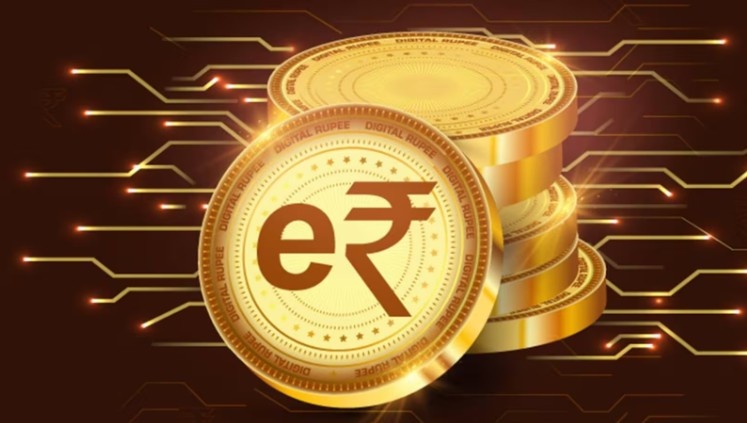
The Digital Rupee is a digital form of money issued by the RBI, similar to physical cash but in digital format. It holds value on its own, just like a currency note.
UPI, in contrast, is not a form of money. It works as a system that helps transfer money from one bank account to another.

In simple terms, the Digital Rupee is the money itself in digital form, while UPI is the method used to move money between accounts.
How Does Digital Rupee Differ From UPI in Terms of Authority?
The Digital Rupee is issued and fully controlled by the Reserve Bank of India (RBI). As a central bank digital currency, its value and supply are set by the RBI.

UPI, in contrast, is managed by NPCI, which sets the rules for how transactions work. However, the actual money being transferred is handled by individual banks linked to the system.

This means the Digital Rupee is a direct claim on the RBI, while UPI transactions depend on bank accounts and the banks that hold those funds.
Structural Difference Between Digital Rupee and UPI
The Digital Rupee follows a token-based structure in which value exists as digital units, similar to physical cash. These tokens are stored in a digital wallet, and each unit represents money issued directly by the RBI.
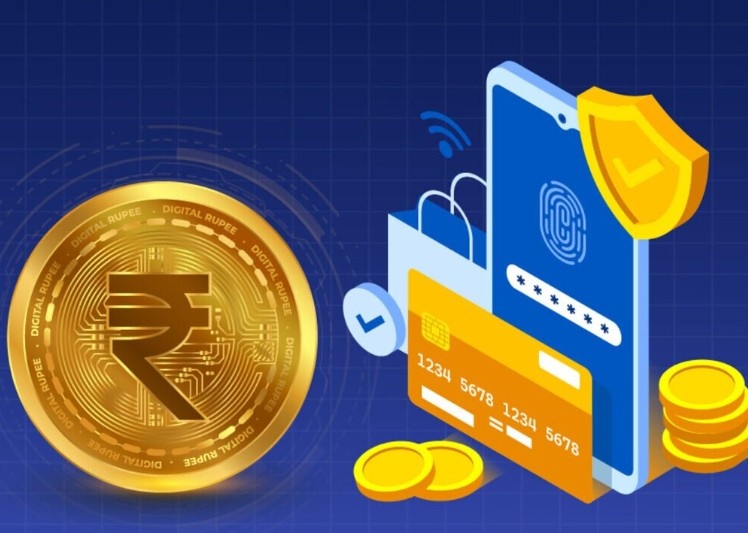
UPI works on an account-based structure, where no such units exist. A transaction simply updates bank records by moving a balance from one account to another through the banking system.
A key structural difference is how value is represented. In the Digital Rupee, each unit is a direct form of money issued by the RBI, whereas in UPI, the system only updates bank-ledger entries without creating or transferring any standalone digital currency units.
How Does Digital Rupee Differ From UPI in Terms of Legal Status?
The Digital Rupee (e₹) is recognized as legal tender, which means it is officially accepted as money under Indian law. It carries sovereign backing and can be used to settle payments directly, just like physical cash.
A key legal aspect is liability. The Digital Rupee represents a direct claim on the Reserve Bank of India, similar to currency notes issued by the central bank.
UPI, in contrast, does not have legal tender status. It only facilitates the transfer of funds held in bank accounts, where the liability lies with commercial banks.
Digital Rupee and UPI: Difference in Transaction Flow And Limit
Digital Rupee payments follow a wallet-to-wallet flow, where value moves directly between users. These transactions are governed by wallet-based limits, which are usually lower.

For example, a single transaction is often capped at around ₹10,000, and the total wallet balance can go up to ₹1 lakh.
So, if you send ₹8,000 using the Digital Rupee, the amount moves directly from your wallet to the receiver’s wallet, as long as it stays within these limits.
UPI works through a bank-to-bank process, where your bank and the receiver’s bank update account balances.

Since it is linked to bank accounts, UPI allows higher transaction limits, typically up to ₹1 lakh per day, with higher limits for specific use cases.
This means that Digital Rupee transactions are direct but capped by wallet limits, while UPI transactions are bank-driven and allow higher transfer amounts.
Key Privacy Differences Between Digital Rupee and UPI
Digital Rupee is designed to provide a more cash-like level of privacy, especially for smaller payments. Since it works through digital tokens held in a wallet, these transactions may not always be directly reflected in your bank records.
UPI, on the other hand, is fully tied to your bank account and identity. Every payment is recorded within the banking system and can be tracked through transaction history.

So, Digital Rupee allows limited discretion similar to cash for small transactions, while UPI creates a clear and traceable record for every payment.
Digital Rupee And UPI: Settlement Difference
Digital Rupee payments are completed immediately upon sending money. Once the amount reaches the other person’s wallet, the payment is done—there is nothing pending in the background.
UPI payments look instant, but they still go through bank processes after you see the success message. The banks later adjust and confirm the final transfer between accounts.
In simple terms, the Digital Rupee is like giving cash, where the payment ends immediately, while UPI is like sending money through banks, where the final settlement happens slightly later behind the scenes.
Digital Rupee and UPI: Difference in Offline Usage
The RBI introduced an offline CBDC last year, allowing users to pay without internet connectivity.
This means that if you are in a remote area with no signal, you can still complete a payment by tapping your device with the receiver’s device. The value moves directly from your wallet to theirs, just like giving cash.
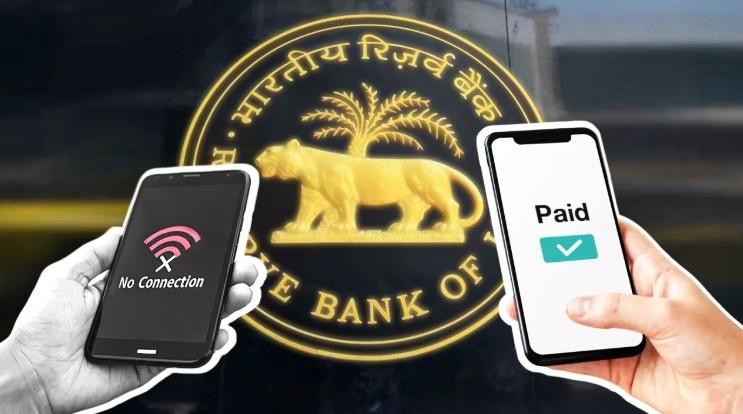
UPI, in contrast, requires an active internet connection for every transaction, as it depends on bank systems to verify and process payments.
In simple terms, the Digital Rupee can work without internet in certain situations, while UPI cannot function without being online.
How Does Digital Rupee Differ From UPI in Terms of Returns (Interest)?
Digital Rupee does not earn any interest, similar to the cash you keep in your wallet. It is designed this way so that holding money in this form does not impact the banking system.
UPI works differently because your money remains in your bank account until you spend it. Most savings accounts in India typically offer around 2.5% to 4% annual interest, depending on the bank.
Put simply, the Digital Rupee gives no returns like cash, while money used through UPI can keep earning some interest until you spend it.
Suggested Reads:
Conclusion: Digital Rupee Represents Money, While UPI Transfers It Between Accounts
The Digital Rupee and UPI are not the same, even though both enable digital payments. One works as actual digital money issued by the RBI, while the other acts as a system that moves money between bank accounts.
Each serves a different role within the payment system. The Digital Rupee brings a cash-like digital option, while UPI continues to support fast and convenient bank transfers.
Both systems play an important role in India’s payment ecosystem. The Digital Rupee adds a new layer of digital cash, while UPI remains essential for everyday bank-based transactions.
FAQS
UPI is one type of digital payment system. Digital payment includes all methods like cards, wallets, net banking, and UPI transactions.
Digital Rupee can transfer value between devices using NFC or similar technology, so payments can happen even without network connectivity in certain cases.
Digital currencies include Central Bank Digital Currency (CBDC), cryptocurrencies, stablecoins, and virtual currencies used within specific platforms or ecosystems.
You can convert Digital Rupee into a bank balance or cash through participating banks, depending on availability and current pilot features.
1 Digital Rupee equals ₹1. It has the same value as physical cash and is issued and backed by the Reserve Bank of India.
Yes, Google Pay is a digital payment app that uses UPI to transfer money directly between bank accounts quickly and securely.
Digital payments offer convenience and speed, but require caution for security. Overall, they remain safe when used with proper verification and awareness.