

UPI voice payment is a feature where users get payment alerts or can initiate transactions using voice-enabled systems in the UPI ecosystem in India.
It works through UPI apps and sound-based tools that speak transaction details aloud or guide users using voice commands for better accessibility and speed.
This is becoming popular in India as digital payments grow, especially among small merchants and users who prefer hands-free, real-time payment confirmations.
In this article, we will understand how UPI voice payment works, where it is used, and why it is becoming important in India’s digital payment system.
How UPI Voice Payment Actually Works in Real Use Cases
UPI voice payment works by adding voice alerts or voice guidance to regular UPI transactions, making payments easier to confirm and track in real time.
In most cases, the payment process still starts in a normal way through a UPI app or QR code scan. The voice feature comes in during confirmation and notification.
Step-by-Step Working of UPI Voice Payment
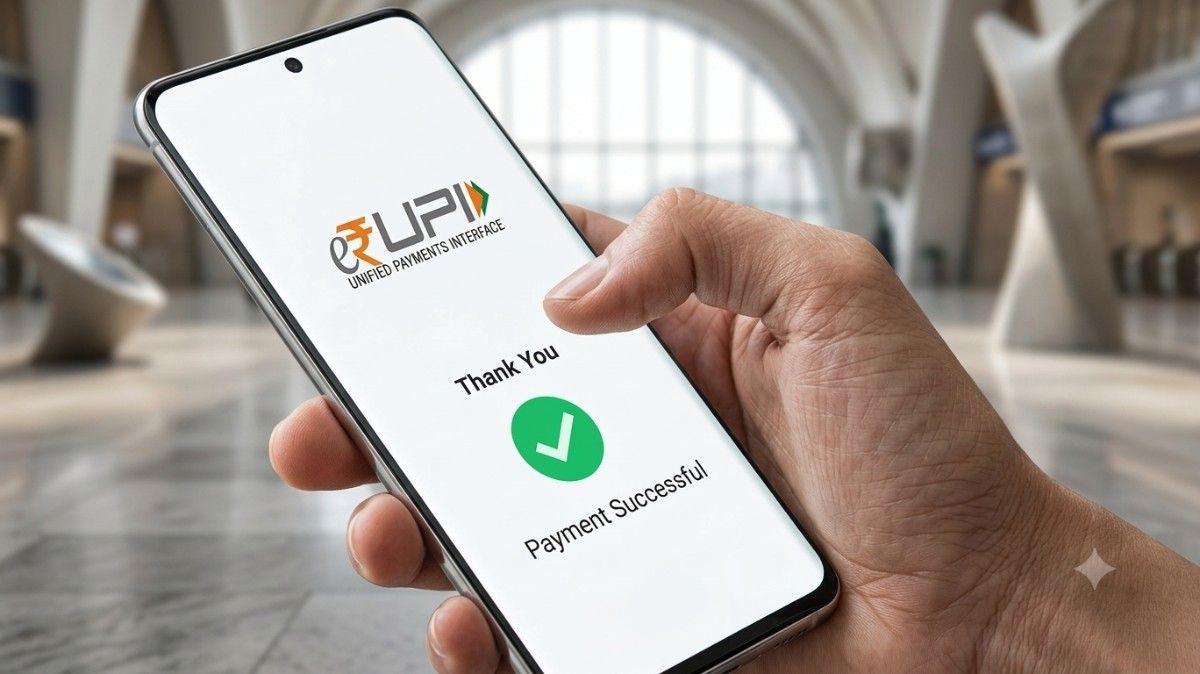
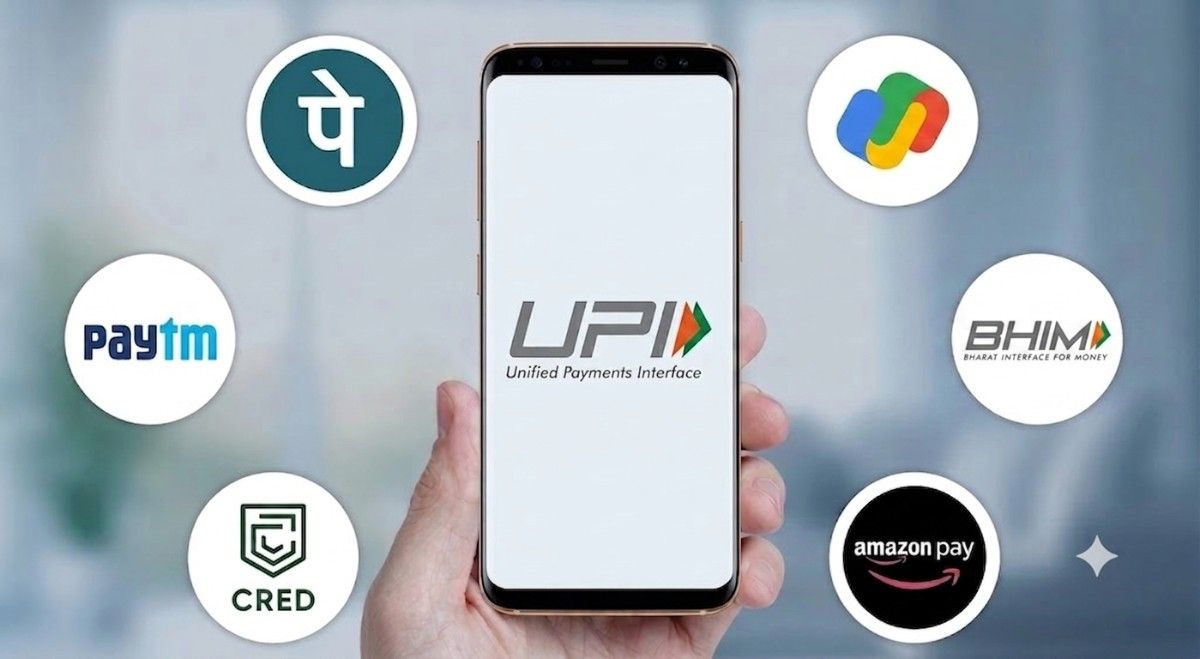
1. A user starts a payment using a UPI app like Google Pay, PhonePe, or BHIM.

2. The payment request is sent to the UPI network for processing.
3. The bank verifies and approves the transaction securely.
4. A voice alert system is triggered on the device or soundbox.
5. The system announces the payment details such as “₹500 received successfully.”
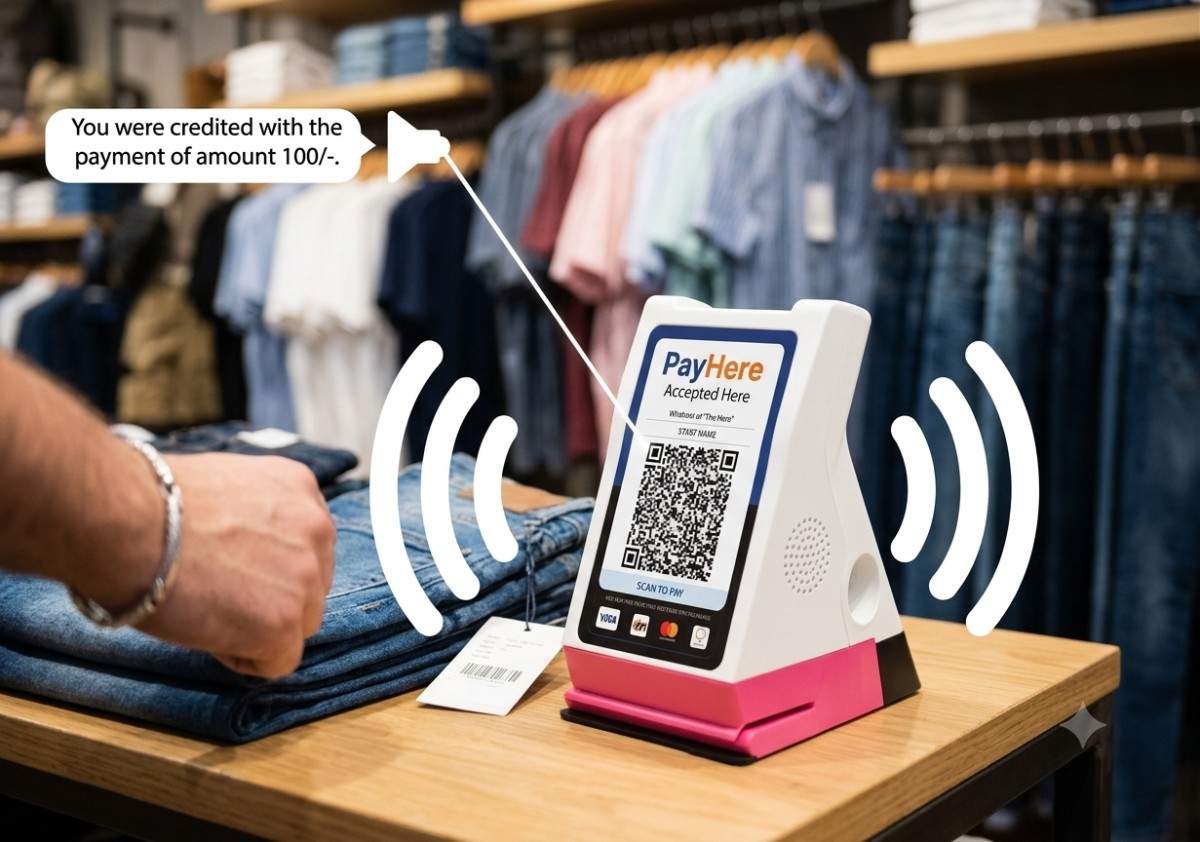
6. The app updates the transaction status instantly for both sender and receiver.
Key Features That Define Voice-Based UPI Transactions
Voice-based UPI transactions add an audio layer to standard digital payments, helping users and merchants receive instant spoken updates about payment status, improving clarity and transaction awareness in real time.
Below are the features of voice-based UPI transactions:
- Instant voice confirmations: Announces successful payments immediately after completion, helping users and merchants quickly verify transactions without opening the payment app repeatedly.
- Real-time payment alerts: Provides spoken updates for incoming and outgoing UPI transactions, ensuring instant awareness of money movement in busy retail or service environments.
- Multilingual support: Delivers voice notifications in regional languages, improving accessibility and making UPI voice payment usable across diverse user groups in India.
- Seamless UPI integration: Works directly with existing UPI apps without requiring separate installation, ensuring smooth adoption for both users and merchants.
- Merchant-friendly notifications: Helps shopkeepers confirm payments instantly through audio alerts, reducing the need to constantly check transaction history on mobile screens.
- Faster transaction awareness: Improves speed of payment verification during high-traffic usage, reducing confusion and delays in confirming successful UPI payments.
Where UPI Voice Payment Is Already Being Used Today
UPI voice payment is already being used in real-world situations across India, especially where quick payment confirmation and minimal screen checking are needed during fast, everyday transactions.
Its adoption is strongest in small businesses and service environments where merchants handle multiple payments and need instant audio confirmation to avoid confusion or delays in busy settings.
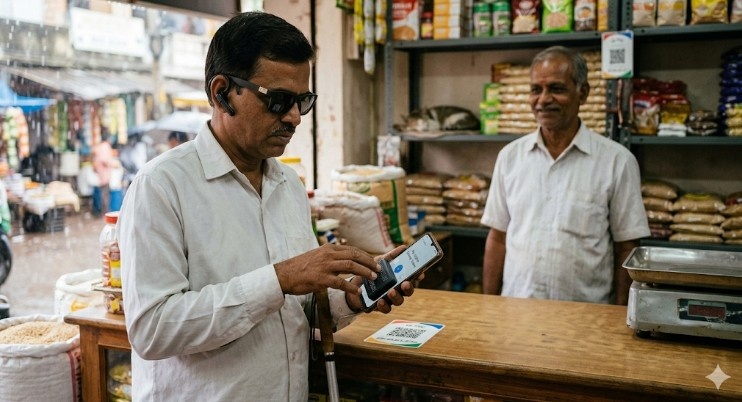
- Kirana stores and small shops: Used for instant voice confirmation of customer payments, helping shopkeepers quickly verify transactions without repeatedly checking their mobile apps.

- Delivery agents and field workers: Helps confirm payments on the move, allowing workers to continue tasks without stopping to check transaction details on their phones.
- Street food stalls and cafés: Useful in high-footfall areas where fast audio alerts reduce confusion during peak hours and speed up billing operations.
- Accessibility users: Supports visually impaired users by announcing payment status through voice alerts, reducing dependence on screen-based transaction updates.
- Billing counters and service desks: Assists staff in handling multiple transactions efficiently with instant spoken confirmations for each completed payment.
Benefits of UPI Voice Payment for Users and Businesses
UPI voice payment improves convenience, speed, and accessibility by providing instant audio confirmation of transactions for users and businesses in real-time digital payment scenarios.
It reduces the need to repeatedly check mobile screens after payments and makes verification faster, clearer, and more reliable in busy or high-traffic environments.
For Users
- Instant audio confirmation builds trust by announcing payment success or failure clearly.
- Reduces dependency on checking mobile apps after every UPI transaction.
- Improves accessibility for elderly and visually impaired users through voice alerts.
- Provides real-time awareness of payment status for quick response decisions.
For Businesses
- Enables faster payment verification during multiple customer transactions efficiently.
- Reduces delays by providing instant voice alerts for received payments.
- Improves billing speed in busy retail and service environments.
- Minimizes confusion and disputes through clear audio payment confirmation.
Security, Risks, and Trust Factors You Should Know
UPI voice payment is built on the secure UPI ecosystem, but voice-based alerts introduce practical considerations related to privacy, environment, and how users interpret spoken transaction updates in real time.

While the core payment system remains protected by strong banking authentication, users still need to be mindful of how voice notifications are heard and used in everyday situations.
Security and Risks in UPI Voice Payment
- Voice alerts may be overheard in public or crowded places during transactions.
- Device security becomes important to prevent unauthorized access to payment notifications.
- Weak internet connectivity can delay or disrupt real-time voice confirmations.
What Keeps UPI Voice Payments Secure
- Transactions run on NPCI-regulated UPI infrastructure used across India.
- Every payment requires bank-level authentication such as a UPI PIN or biometric verification.
- Trusted banking apps use encryption and secure authorization layers to protect data.
Limitations and Current Challenges in Voice-Based UPI Systems
Voice-based UPI payment systems are still evolving in India and are not yet fully standardized across all banks, apps, and user environments in the broader digital payments ecosystem.
| Limitation / Challenge | What It Means in UPI Voice Systems |
|---|---|
| Limited standardization | Voice features are not uniformly available across all UPI apps and banks |
| Language and accent issues | Voice systems may misinterpret regional accents or multilingual inputs |
| Network dependency | Poor internet connectivity can delay or affect voice alerts |
| Environmental limitations | Voice alerts may not be effective in noisy or silent-required settings |
| Partial adoption | Mostly used in merchant soundbox systems rather than full consumer use |
Conclusion: UPI Voice Payment is the Next Big Leap in Digital Banking
UPI voice payment is shaping a more intuitive way to confirm and track digital transactions, especially in fast-paced and high-volume payment environments across India.
Its real strength lies in improving interaction and awareness, where voice acts as an additional communication layer over existing UPI systems rather than changing the core payment process itself.
In the long run, voice-enabled payments will likely remain an enhancement layer to UPI, not a replacement, gradually improving usability, accessibility, and real-time payment confidence.
FAQs
No, only select UPI apps and merchant soundbox systems currently support voice-based payment confirmations and alerts.
No, stable internet is required because voice alerts depend on real-time UPI transaction processing and network communication.
They support multiple languages, but accuracy may vary based on accent, dialect, and system configuration limitations.
No, it also helps merchants and regular users by providing instant audio confirmation of transactions in busy environments.
No, security remains unchanged since authentication still relies on UPI PIN, biometric verification, and banking encryption systems.