

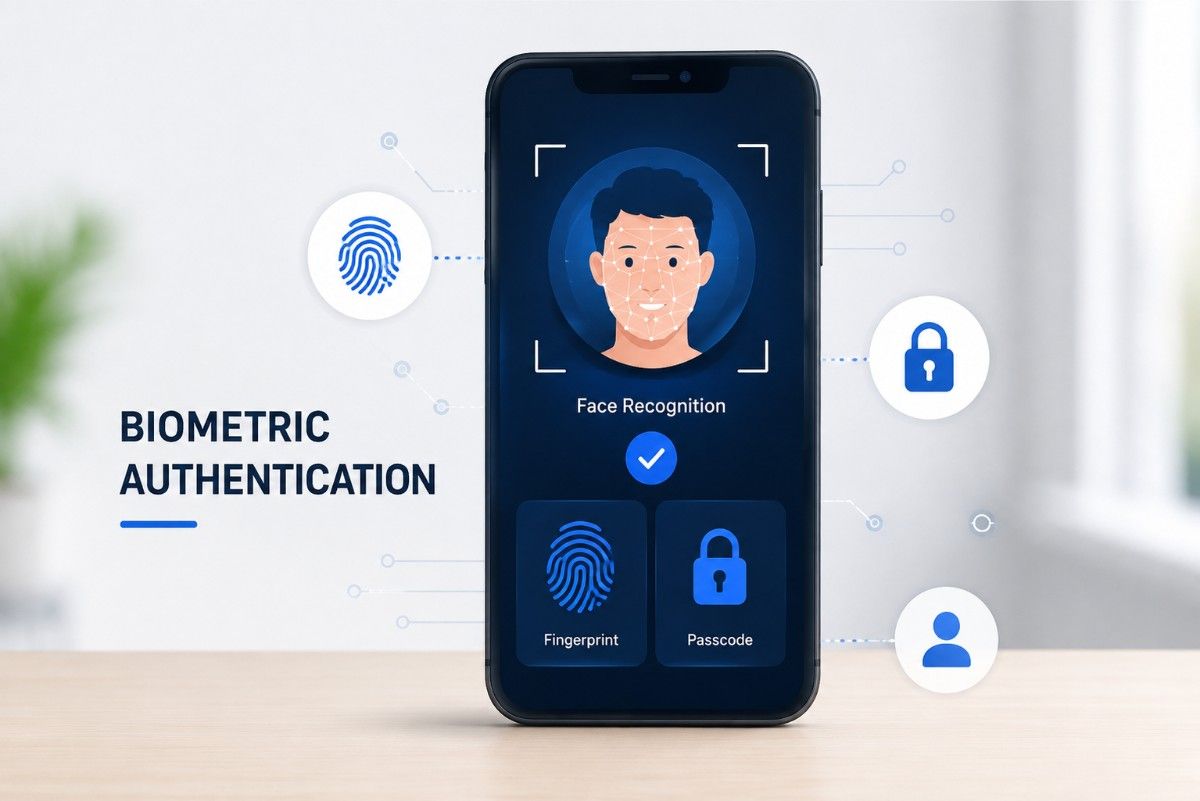
UPI biometric authentication is a way to approve UPI payments using a fingerprint or face instead of entering a UPI PIN. It makes digital payments faster and more secure for users in India.
In simple terms, it replaces the traditional UPI PIN with your biometric identity, like fingerprint or facial recognition. This reduces the need to remember passwords and improves payment convenience in everyday transactions.
UPI biometric authentication is part of India’s evolving digital payment system led by the National Payments Corporation of India. In this article, we will understand how it works, where it is used, and what it means for users and merchants.
Why UPI Biometric Authentication Is Emerging in India’s Digital Payments System
UPI biometric authentication led by NPCI is gaining attention in India as digital payments move toward faster, safer, and more seamless user experiences.
It reduces dependence on UPI PINs and strengthens everyday transaction security. The key factors are:
- Rapid growth of UPI transactions: India’s digital payment usage has expanded sharply, increasing the need for quicker and smoother authentication methods.
- Move toward PIN-less payments: Users want faster checkout experiences without repeatedly entering a UPI PIN for every transaction.
- Widespread smartphone biometrics: Most smartphones today support fingerprint and face recognition, making biometric payments more practical.
- Push from digital payment ecosystem: Institutions like the National Payments Corporation of India and banks are exploring stronger authentication frameworks for safer transactions.
- User demand for convenience: Consumers increasingly prefer quick, low-friction payment methods in daily shopping and online transactions.
How Biometric Authentication Replaces UPI PIN in Everyday Transactions
UPI biometric authentication replaces the traditional UPI PIN by using your fingerprint or face to approve payments instantly. Instead of manually entering a PIN, your identity becomes the key for transaction approval.
Here is a quick comparison table between the UPI PIN method and biometric authentication.
| UPI PIN Method | Biometric Authentication |
|---|---|
| Manual PIN entry required | Fingerprint or face scan |
| Can be forgotten or compromised | Based on physical identity |
| Slight input delay | Faster and seamless approval |
| Needs memorization | No need to remember anything |
Bank and App Readiness for Biometric UPI Adoption
UPI biometric authentication is still in a gradual rollout phase in India, with banks and apps testing the system before wider public availability.
The focus is on ensuring security, stability, and a smooth user experience.
- Early pilots: Some banks, apps, and fintechs are testing biometric UPI with limited users.
- App integration evolving: Most apps have started using biometrics, like PhonePe and CRED, but they are still in testing phases. Apps like BHIM are part of early experiments.

Since BHIM UPI is one of the platforms participating in early biometric initiatives, understanding how the app works provides useful context for this rollout.
Gradual rollout approach: Banks like ICICI are prioritizing phased implementation to avoid security risks and ensure system-wide stability.

Security Advantages and Real-World Fraud Prevention Impact
UPI biometric authentication is designed to make digital payments more secure by replacing PIN-based approval with fingerprint or face verification.
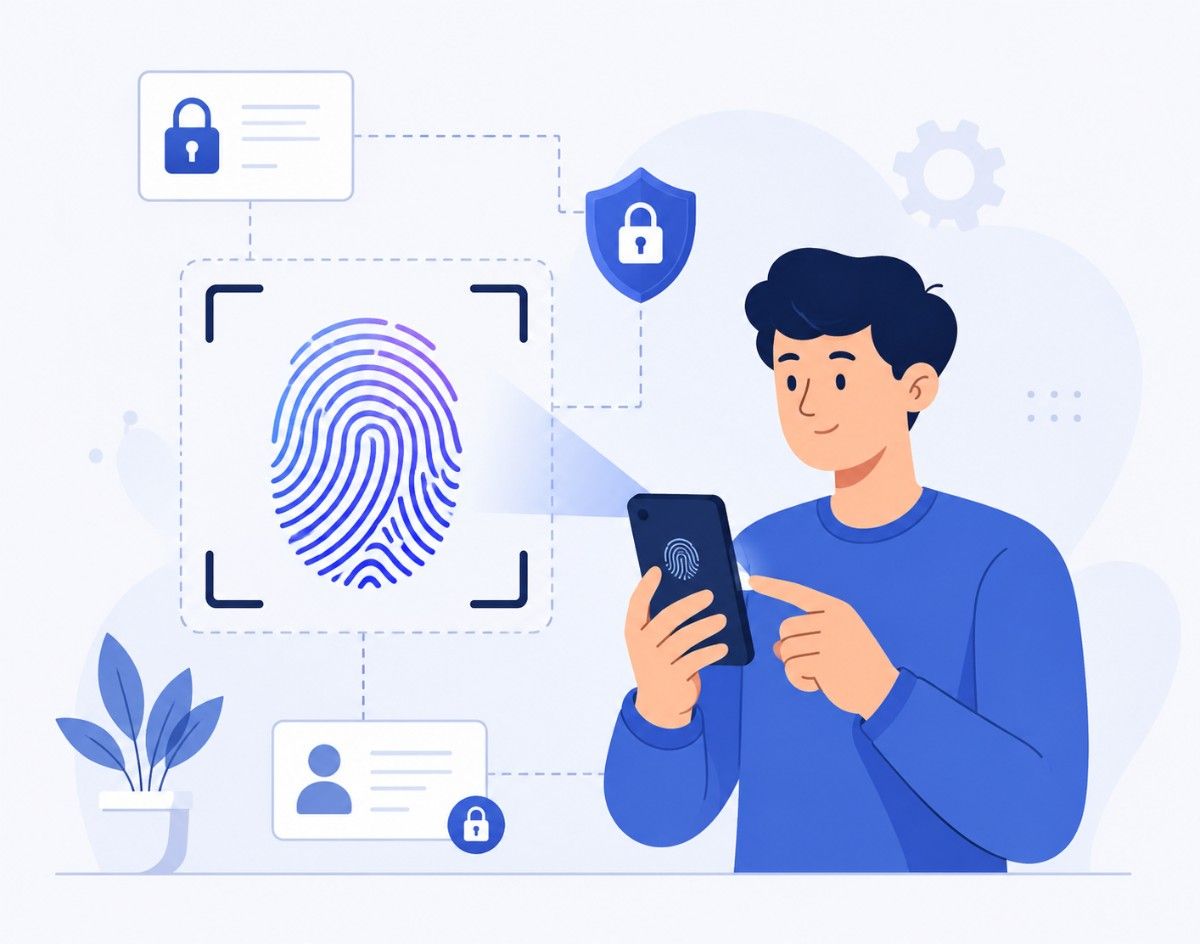
Key security advantages are as follows:
- Reduces PIN theft risk: Users don’t need to enter a UPI PIN, lowering chances of theft or exposure.
- Stronger identity check: Fingerprint or face data is unique to each user, improving verification strength.
- Harder phishing attempts: Fraudsters cannot easily capture or reuse biometric data as they can with PINs.
- Device-level security: Authentication happens on secure smartphone systems, not through manual input.
- Lower human error risk: Eliminates mistakes like entering wrong or weak PINs.
Challenges, Risks, and Adoption Barriers You Should Know
UPI biometric authentication is still in its early stages, and despite its advantages, several practical challenges are slowing widespread adoption across India’s digital payment ecosystem.
Key challenges and adoption barriers are as follows:
- Device dependency: It works only on smartphones with reliable fingerprint or face recognition support.
- Limited availability: Not all banks and UPI apps have enabled biometric authentication yet.
- Technical issues: Fingerprint or face recognition may fail due to lighting, wet fingers, or device glitches.
- User habits: Many users are still comfortable with UPI PIN and hesitate to switch to a new method.
- Privacy concerns: Some users remain cautious about using biometrics for financial transactions.
Impact on Users, Merchants, and India’s Cashless Economy
UPI biometric authentication is expected to reshape everyday digital payments by making transactions faster and more seamless across users, merchants, and the broader economy.
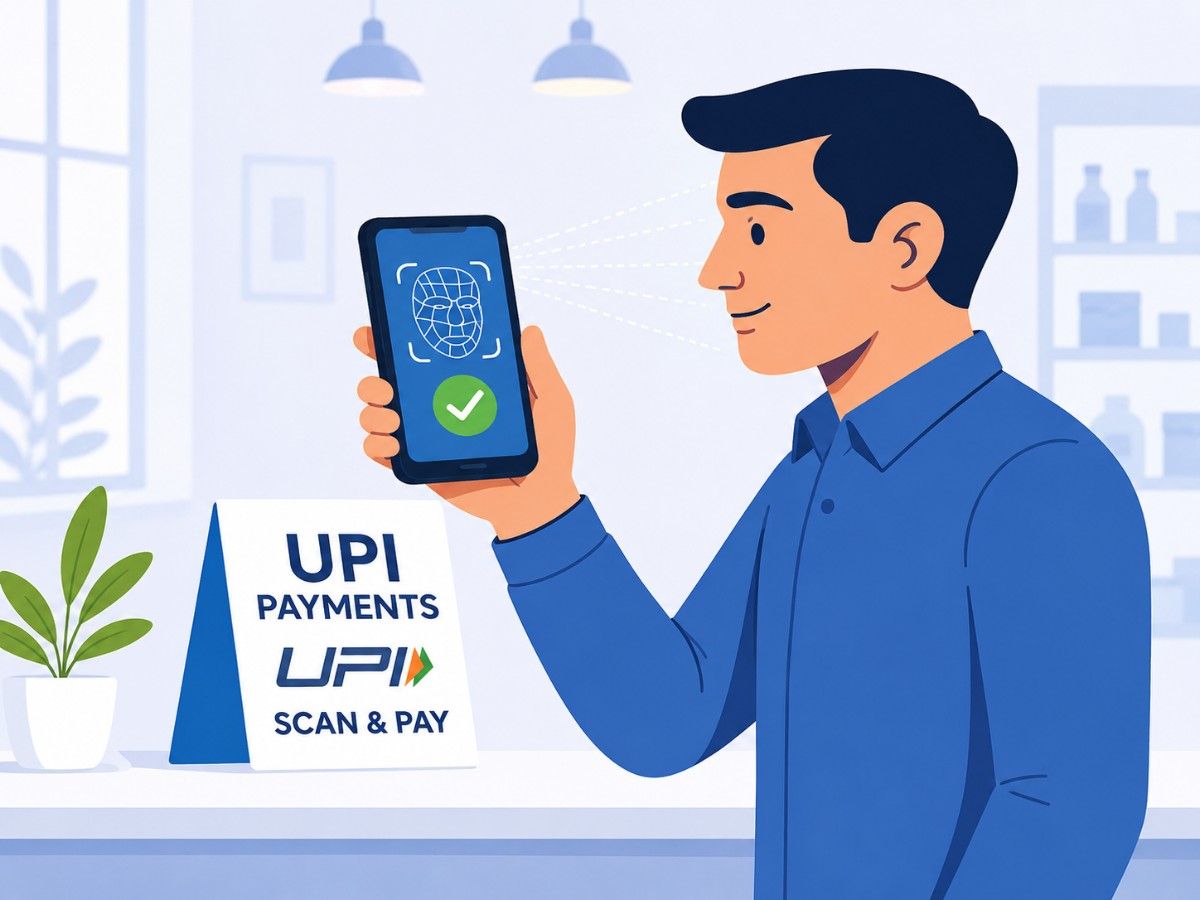
Its impact goes beyond convenience and touches how digital payments are experienced at every level.
1. Impact on users
- Faster payment approval using fingerprint or face recognition
- No need to remember or enter UPI PIN repeatedly
- Smoother experience during everyday purchases and transfers
- More convenient for quick, low-value transactions
2. Impact on merchants
- Faster checkout and reduced waiting time at billing counters
- Improved payment flow during peak transaction periods
- Better customer experience with less payment friction
- Dependence on gradual bank- and app-level rollout
3. Impact on India’s cashless economy
- Supports continued growth of digital-first payments
- Encourages wider adoption of contactless payment methods
- Strengthens trust in UPI-based transactions
- Aligns with India’s broader shift toward a less-cash economy
Biometric authentication could also improve the user experience for services that rely on UPI AutoPay, making recurring payments more convenient.
Conclusion: The Shift Toward PIN-less, Biometric UPI Payments in India
UPI biometric authentication is a next-step payment method in India that replaces the UPI PIN with fingerprint or face-based verification for faster and more secure digital transactions.
It improves convenience, reduces reliance on passwords, and enhances payment security for both users and merchants. However, adoption remains gradual and depends on the rollout of support by banks and UPI apps across the ecosystem.
Over time, UPI biometric authentication is expected to become more common as technology matures and more financial institutions integrate it. It will support India’s shift toward a more seamless, cashless payment experience.
FAQs
UPI biometric authentication is a payment method that enables transaction approval using fingerprint or face recognition. Instead of entering a UPI PIN, users can authenticate payments through biometric verification.
It can provide enhanced security because biometrics are unique to each user. As a result, it helps reduce the risks of PIN theft, phishing, and unauthorized access to digital payments.
Some UPI apps, such as BHIM and select banking apps, are currently testing biometric payment features. However, these features are still being gradually rolled out and are not yet widely available.
No, only a few banks have started limited trials. Full-scale adoption depends on ecosystem readiness and regulatory approval by NPCI.
No, biometric authentication still requires an internet connection, as UPI transactions must be processed through banking networks in real time. Therefore, biometric verification does not fully support offline UPI payments.