

Offline UPI payment in India in 2026 means you can send or receive money even without an active internet connection on your phone.
It works through special systems like UPI 123PAY and UPI Lite that allow basic digital transactions using calls, USSD, or stored balance.
In this article, we will understand how offline UPI works, the step-by-step process, key features, risks, and where it is actually useful.
How Offline UPI Transactions Work Without Internet Connectivity
Offline UPI transactions in India in 2026 allow users to send and receive money even when mobile internet is not available, using telecom-based or low-data payment systems.
These transactions work through alternative channels like USSD, IVR, and pre-linked banking infrastructure that can process payments without requiring a full internet connection.
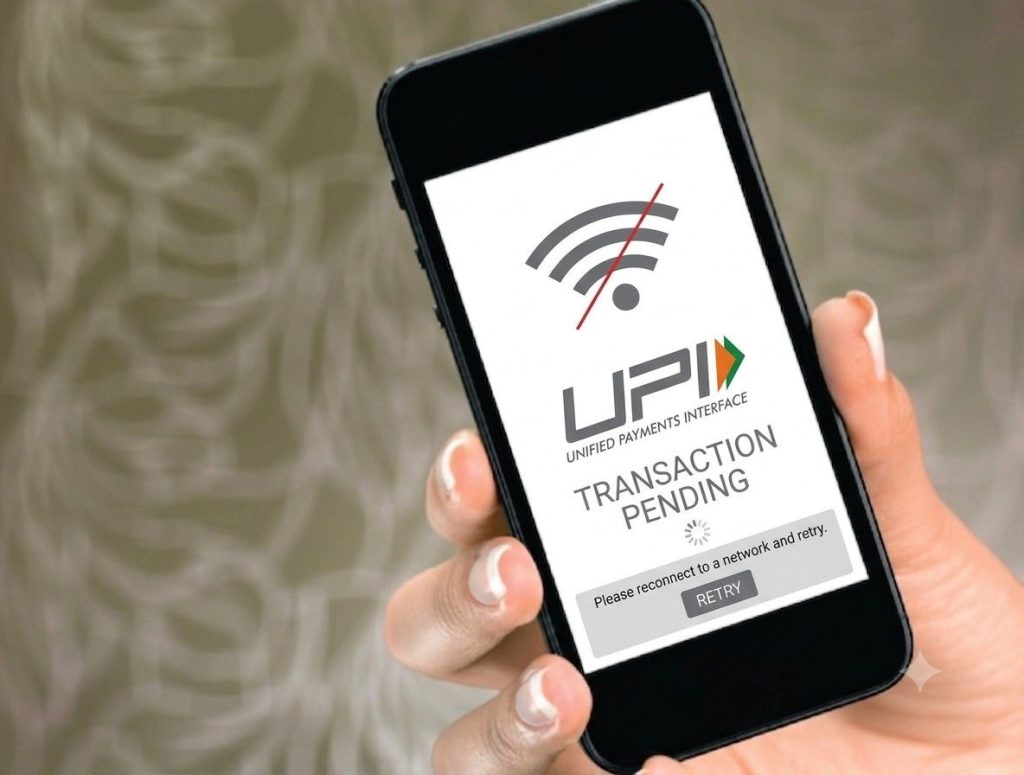
Instead of relying on real-time app connectivity, the system enables communication between banks and users through secure fallback networks provided by telecom operators and payment platforms.
At the core, the system is designed to ensure that basic digital payments can continue even in low-network or no-internet situations, especially in rural and semi-urban areas.
Step-by-Step Process: Making a Payment Without Internet Using UPI
Making a UPI payment without the internet in 2026 is designed to be simple and works through basic telecom or offline-enabled banking systems. You don’t need to add any UPI ID for the transaction.
The step-by-step process is as follows:
Step 1: The user starts the payment using an offline option such as USSD (*99#) or an IVR call service. They may also use a supported offline UPI feature like UPI Lite.
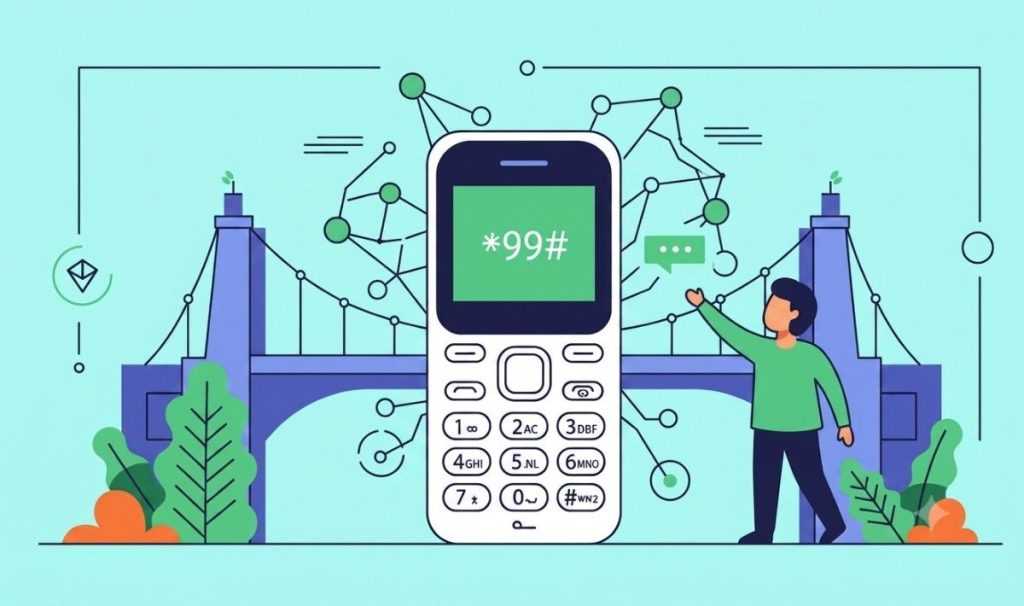
Step 2: The user selects the “send money” option and enters the recipient’s mobile number, UPI ID, or bank account details.
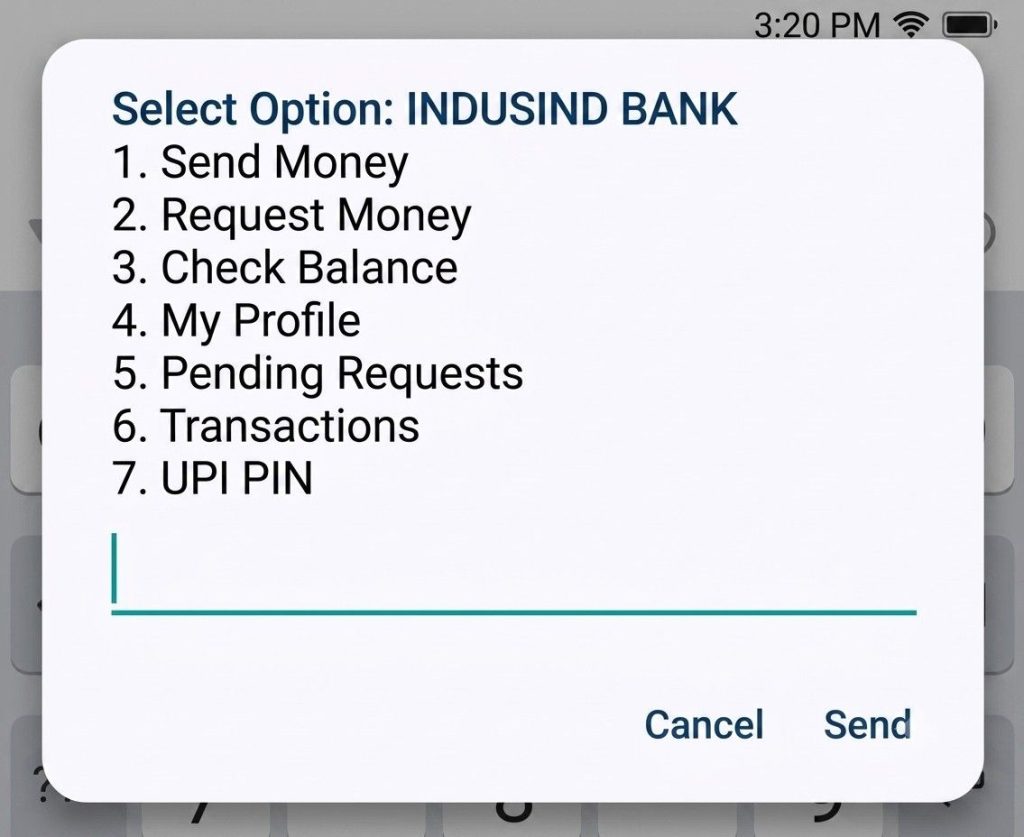
Step 3: The user enters the amount they want to transfer and confirms the details carefully before proceeding.
Step 4: The system asks for authentication, and the user enters their UPI PIN or completes the required verification step.
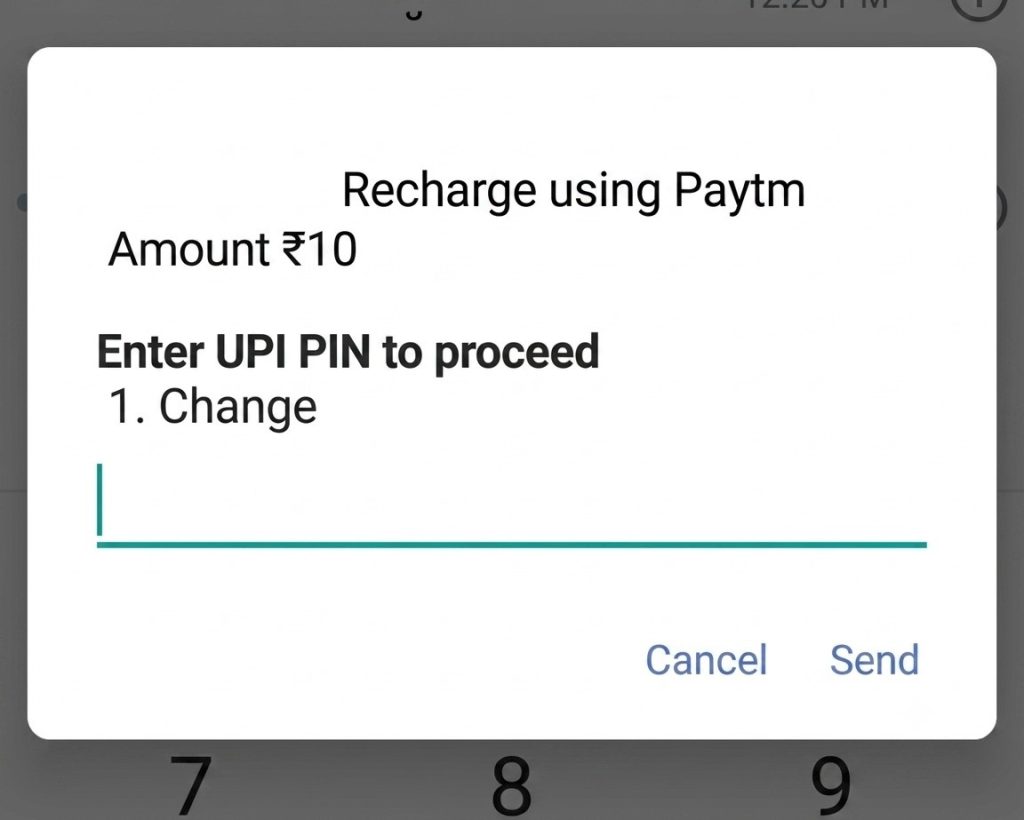
Step 5: The transaction request is processed through secure banking or telecom fallback channels without needing active internet.
Step 6: Once the payment is successful, both sender and receiver receive confirmation via SMS or system alert.
UPI 123PAY, UPI Lite, and the Rise of Offline Digital Payments
UPI in India now includes multiple offline and low-connectivity payment solutions designed to make digital transactions possible even without stable internet access in everyday situations.
The table below explains the difference between UPI 123PAY, UPI Lite, and Offline UPI in a simple manner:
| Offline UPI Method | Internet Required | Works On | Best Use Case |
|---|---|---|---|
| *99# Service | No | Smartphones and feature phones | Basic banking and money transfers |
| UPI 123PAY | No | Feature phones | Digital payments without smartphone apps |
| UPI Lite | Minimal connectivity | Smartphones | Small-value daily payments |
Limitations, Risks, and Transaction Constraints in Offline UPI Systems
Offline UPI systems are useful for enabling payments without the internet, but they come with certain operational, technical, and transactional limitations that users should be aware of.
Transaction limitations
- Lower transaction limits compared to regular UPI payments
- A limited number of transactions in some offline modes
- Not all merchants may accept offline payment options
Technical constraints
- Dependence on USSD, IVR, or telecom networks
- Possible delays in processing or confirmation
- Service availability may vary by region and operator
Security and operational risks
- Higher chances of input errors during manual entry
- Limited app-based security checks in some offline modes
- Occasional failed or incomplete transactions
Real-World Use Cases: Where Offline UPI Actually Works Best
Offline UPI payments are mainly designed for situations where internet connectivity is weak, unstable, or completely unavailable, helping users complete basic transactions without disruption.
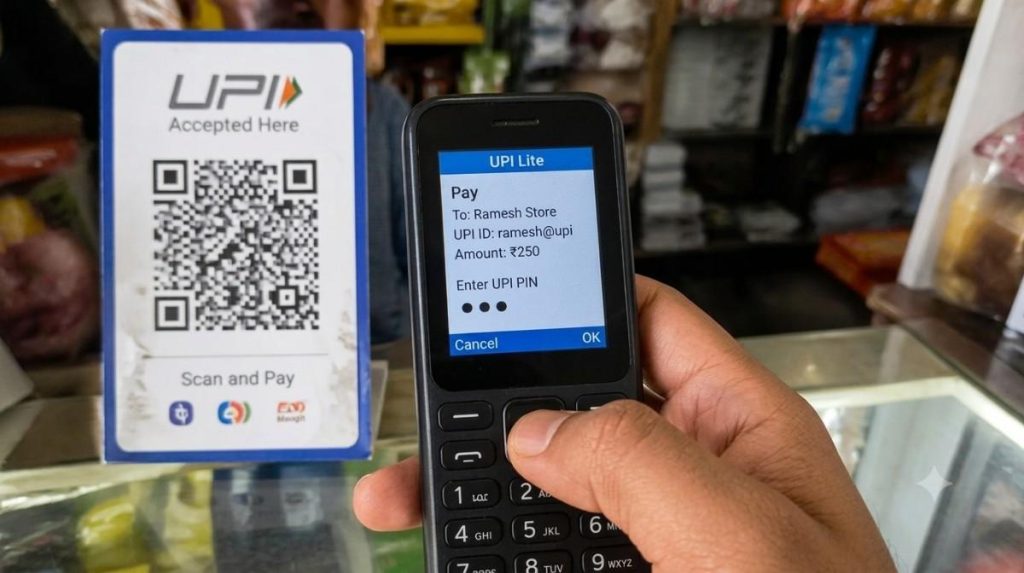
Offline UPI works best as a support system for everyday payments in low-connectivity environments, rather than a complete replacement for regular internet-based UPI transactions.
| Situation | How Offline UPI Helps |
|---|---|
| Rural and semi-urban areas | Enables payments even where mobile internet is weak or inconsistent |
| Small shops and street vendors | Supports quick payments during poor or fluctuating network connectivity |
| Travel and remote locations | Works on highways, in villages, and in areas with low or no network coverage |
| Emergency situations | Allows urgent payments when internet access is not available |
| Feature phone users | Enables digital payments without requiring smartphones or apps |
Conclusion: Offline UPI Payment is a Backup System That Keeps Digital Payments Running Without Internet
Offline UPI payment in India in 2026 is a backup system that allows users to complete digital transactions even when internet connectivity is weak or unavailable.
It helps people in rural areas, on travel routes, and in low-network zones continue using digital payments through simple and accessible offline-enabled methods.
Overall, it strengthens India’s cashless ecosystem by ensuring payments remain possible in real-world conditions where stable internet cannot always be guaranteed.
FAQs
Offline UPI payment allows users to send or receive money without the internet using USSD, IVR, or UPI Lite systems.
UPI 123PAY enables feature phone users to make payments using IVR calls, USSD codes, and bank-linked verification methods.
UPI Lite works with minimal connectivity and stores small-value transactions on the device, reducing dependency on real-time banking systems.
Offline UPI payments are generally safe, but users must carefully enter details as manual errors and limited verification can occur.
Offline UPI is most useful in rural areas, low-network regions, travel routes, and locations with unstable or weak internet connectivity.