

Fake QR code scams are frauds where criminals use fake QR codes to steal money, banking details, passwords, or personal information from unsuspecting users.
These QR code scams usually appear in parking areas, restaurants, delivery messages, payment requests, or public places where people quickly scan without checking the source carefully.
In this article, we will explain how fake QR code scams work, the common warning signs, and how you can protect your money and data.
Why QR Code Scams Are Rising So Fast
QR code scams are rising fast because digital payments have become a daily habit, and most people scan codes without checking them carefully.
1. QR Codes Are Everywhere Now
QR codes are used in restaurants, shops, parking areas, delivery services, and bill payments, making them part of everyday life.
2. People Scan Without Thinking
Most users scan QR codes quickly to save time, especially at billing counters or public places, without verifying the source.
3. Growth of Digital Payments Like UPI
With the rise of UPI and mobile wallets, QR-based payments have become the most common and trusted method for quick transactions.
4. Fake QR Codes Are Easy to Create
Scammers can simply print stickers or create fake payment pages, making it very cheap and easy to run QR code fraud.
5. Public Places Make It Easy to Cheat
In busy places like parking lots or transport hubs, people rarely check if a QR code has been tampered with or replaced.
6. Low Awareness About QR Fraud Risks
Many users still don’t know that QR codes can redirect to fake websites or be replaced by scammers, which increases success rates.
The Most Common Types of Fake QR Code Scams
Fake QR code scams come in different forms, but all of them are designed to trick users into paying money or sharing sensitive information through a scanned code.
1. Fake Merchant Payment QR Codes
Scammers replace or overlay genuine shop QR codes with their own. When customers scan and pay, the money goes directly to the fraudster instead of the business.
Real-Life Example
In Delhi, police arrested a man for tampering with merchant QR codes and replacing them with fake ones. Customers unknowingly paid him instead of local shop owners, leading to financial losses before the scam was detected.
Source: The Times of India
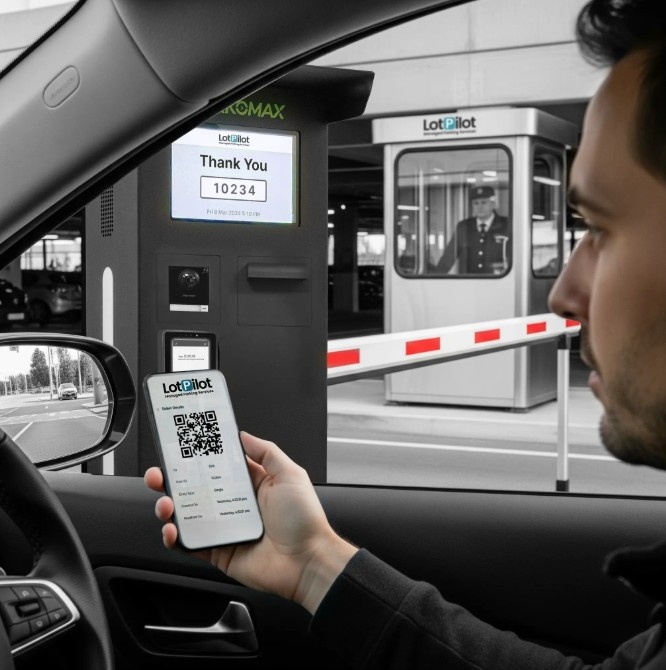
2. Parking and Street Payment Scams
Fraudsters stick fake QR code labels on parking meters, toll boards, or street signs. Users think they are paying official charges, but the payment goes to a scam account.
3. Restaurant Menu QR Code Fraud
In this scam, fake QR codes are placed on tables or receipts claiming to show digital menus or payment options, but they redirect users to phishing pages.
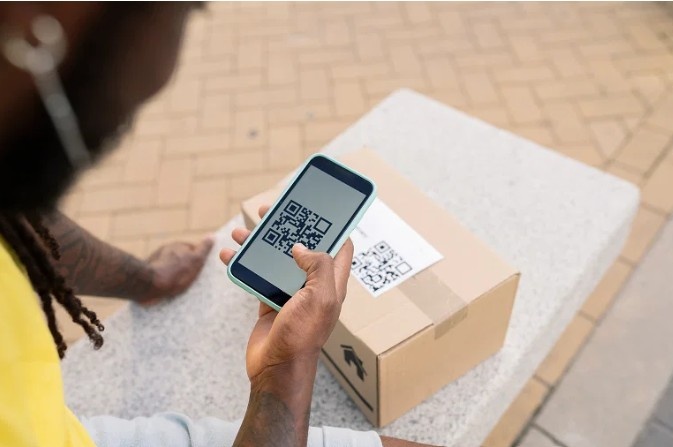
4. Delivery or Package Notification Scams
Users receive SMS, WhatsApp, or email messages with QR codes claiming a delivery is pending or needs extra payment. Scanning them can lead to fake payment requests or malware links.
5. Investment and Crypto QR Scams
Scammers use QR codes to promote fake investment schemes or cryptocurrency offers, promising high returns to lure victims into transferring money.
6. Charity and Donation Scams
Fake QR codes are used to collect money in the name of NGOs, disaster relief, or social causes, especially during emergencies or festivals.
7. Fake Customer Support QR Codes
These QR codes pretend to connect users to bank or app support pages, but actually steal login details, OTPs, or payment credentials.
How Fake QR Codes Actually Steal Your Money or Data
Fake QR code scams do not steal money instantly. Instead, they guide users through a simple but deceptive process that tricks them into revealing sensitive information or approving payments.
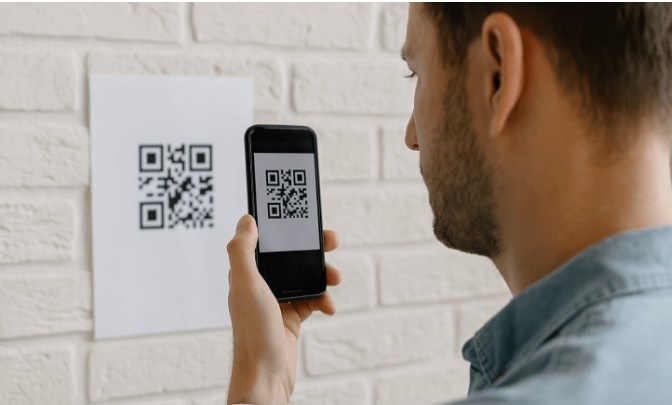
Step 1: You Scan the QR Code
The process begins when you scan a QR code placed in a shop, parking area, delivery message, or public notice, assuming it is legitimate.
Step 2: You Are Redirected to a Fake Website or App
After scanning, you are taken to a lookalike website or payment page that closely mimics real banking apps, UPI pages, or service platforms.
Step 3: You Are Asked to Enter Payment or Login Details
The fake page may ask for sensitive information such as UPI PIN, OTP, card details, or login credentials under the pretext of completing a payment or verifying identity.
Step 4: Your Money or Data Is Captured
Once you enter the details, scammers either directly transfer money from your account or gain access to your personal and financial information.
Step 5: Your Information May Be Misused Later
In some cases, stolen data is used for unauthorized transactions, identity fraud, or even sold on the dark web for further exploitation.
Red Flags That Can Help You Spot a Fake QR Code
Fake QR code scams can often be avoided if you know what warning signs to look for before scanning or making any payment.
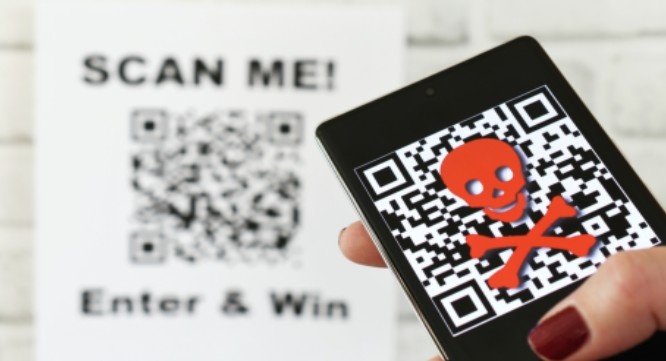
Most QR fraud cases show clear red flags that are easy to miss in a hurry.
| Red Flag | What It Means / Risk |
|---|---|
| Tampered or sticker-over QR code | The original QR code may have been replaced by a scammer |
| Asking for OTP, PIN, or password | Legit QR code payments never ask for sensitive banking details |
| Suspicious or shortened URL | May lead to a fake payment or phishing website |
| Payment name does not match merchant | Money may be going to an unknown account |
| Urgent messages like “pay immediately” | Pressure tactic used to stop users from verifying details |
What To Do If You Accidentally Scan a Fake QR Code
If you accidentally scan a fake QR code, quick action can help reduce financial loss and protect your personal data from misuse.
- Close Immediately: Stop interacting with the QR code page or app as soon as you realize something looks suspicious.
- Do Not Enter Details: Do not share OTP, UPI PIN, card details, passwords, or any banking information on the page.
- Check Bank Account: Open your banking or UPI app like BHIM or Paytm, and immediately verify if any unauthorized transaction has taken place.
- Secure Accounts: Change passwords for your bank app, email, and other linked accounts if you have entered any sensitive information.
- Contact Bank or UPI Provider: Inform your bank or payment service provider right away and request to block or secure your account if needed.
- Report the Fraud: File a complaint on the official cybercrime reporting portal or contact the cybercrime helpline for further action.
Conclusion: The Safest Way to Deal With QR Codes Is to Verify Before You Scan
The safest way to avoid fake QR code scams is to always verify the source of the QR code before scanning it or making any payment.
Most QR code fraud happens because users scan codes quickly without checking details like merchant name, placement, or whether the code looks tampered with or suspicious.
A few seconds of caution can protect your money and personal data, making QR code payments safe and convenient when used carefully in everyday life.
FAQs
Yes, some malicious QR codes redirect you to fake apps or websites that automatically download harmful software or steal permissions silently.
No, legitimate banks do not send QR codes asking for OTPs, passwords, or account verification through scanning links or messages.
QR codes hide the destination link until scanned, making it easier for scammers to disguise phishing pages and avoid user suspicion.
Yes, UPI QR codes are safe when verified and static from trusted merchants, but unsafe if replaced or tampered with by scammers.