

In India, you can use credit cards at ATMs, but they work differently from debit cards and come with fees, interest, and limits.
In this article, we explain what a credit card cash advance is, how to withdraw cash at ATMs, the fees and rules, the risks, and tips for using it safely. By the end, you’ll know how to withdraw cash at an ATM without hurting your credit score.
What Is A Credit Card Cash Advance?
A credit card cash advance allows you to take cash from an ATM using your credit card rather than a debit card. Consider it a cash advance on your credit limit.

Unlike regular purchases, the bank imposes a fee (typically 2-3% of the amount withdrawn, minimum ₹300), and interest begins immediately, with no interest-free period.
Step-by-Step Guide: Using A Credit Card At An ATM
Withdrawing cash with a credit card is easy, but it differs from withdrawing cash with a debit card.
Below are some simple steps you can follow to use a credit card at an ATM:
Step 1: Ensure Your Credit Card Has A Cash Advance PIN
Before entering an ATM, make sure your credit card has a cash advance PIN or code, different from your online password, or you won’t be able to withdraw cash.
Step 2: Go To An ATM That Accepts Credit Card Cash Advances
Not all ATMs allow credit card cash withdrawals. To avoid charges, use the ATM at your designated bank.
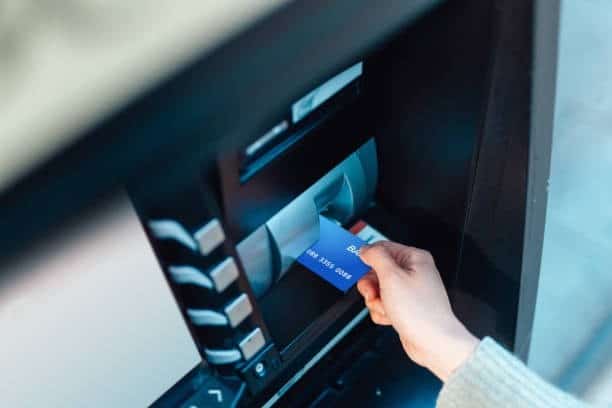
Step 3: Insert Your Card and Enter The PIN
Insert your credit card, enter the cash advance PIN, choose credit, not debit, and always cover your PIN to prevent fraud.
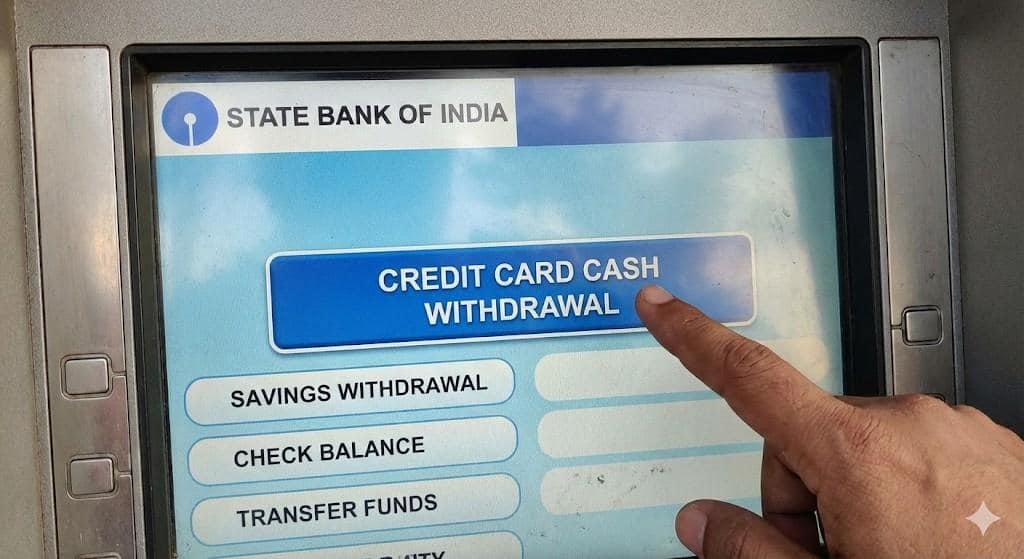
Step 4: Select “Cash Advance” or “Credit Card Cash Withdrawal”
ATMs may label withdrawals differently. Look for “Cash Advance” or “Credit Card Cash Withdrawal” to avoid denied transactions or extra charges.
Step 5: Enter The Amount Within Your Cash Advance Limit
You can withdraw 20–40% of your credit limit (e.g., ₹20,000–₹40,000 on a ₹1,00,000 limit). Transactions above this limit will be rejected.
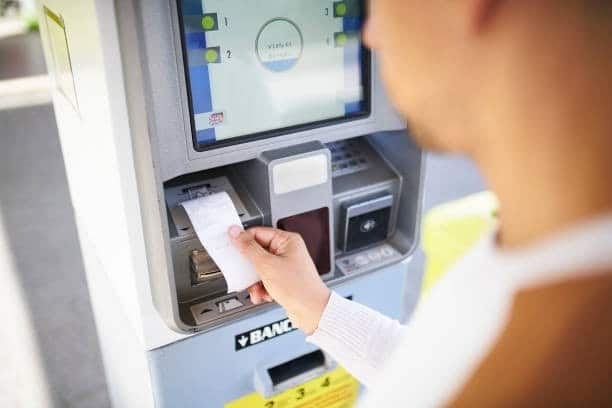
Step 6: Collect Cash, Card and Receipt
Take cash, card, and a receipt. Fees and interest apply immediately and are reflected on your statement. Keep the receipt for records.
Step 7: Pay Back The Amount As Soon As Possible
Interest on cash advances begins immediately. Paying early lowers interest and helps keep a good credit score.
ATM Cash Withdrawal Fees, Charges and Interest Rates
Withdrawing cash from a credit card ATM in India is convenient but can be costly, as banks charge fees and interest starts immediately.
The table below shows the top banks and the charges they apply to credit card usage at the ATM:
| Bank Name | Cash Advance Fee | Interest Rate on Cash Advance | Minimum Fee | Notes |
|---|---|---|---|---|
| HDFC Bank | 2.5% | 24% p.a. | ₹300 | Fees + GST applicable |
| ICICI Bank | 3% | 25% p.a. | ₹300 | Interest starts immediately |
| SBI Card | 2.5% | 26% p.a. | ₹300 | No grace period |
| Axis Bank | 3% | 24% p.a. | ₹300 | ATM withdrawal limit applies |
Source: HDFC Bank, ICICI Bank, SBI, Axis Bank
Most Indian banks charge GST on their fees, and interest charges begin the day you withdraw. Keeping these statistics in mind will help you avoid surprises and manage your credit card effectively.
Cash Withdrawal Limits On Credit Cards In India
Bank ATMs set daily and monthly cash withdrawal limits on credit cards, usually lower than your total credit limit. This helps reduce risk and prevent overspending.
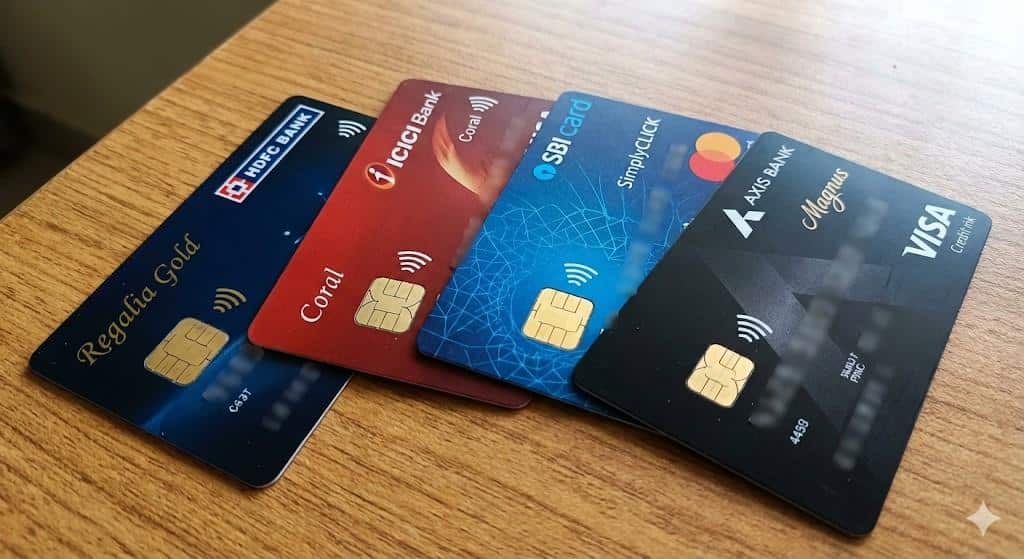
To determine the maximum cash withdrawal amount from major Indian banks, let’s take a brief look at the restrictions.
| Bank Name | Daily Limit | Monthly Limit | Notes |
|---|---|---|---|
| HDFC Bank | ₹50,000 | ₹2,00,000 | Depends on card type |
| ICICI Bank | ₹40,000 | ₹1,50,000 | Platinum/Gold cards may differ |
| SBI Card | ₹50,000 | ₹2,00,000 | Applies to all credit cards |
| Axis Bank | ₹50,000 | ₹1,50,000 | Card-specific limits apply |
Source: ICICI Bank, Axis Bank
Risks and Drawbacks of ATM Cash Advances
In an emergency, using a credit card to withdraw cash from an ATM can be advantageous, but it also has its disadvantages.
In contrast to typical purchases, cash advances are costly and may negatively impact your credit score if not properly managed.
- High fees and interest: Cash advances come with immediate fees of 2-3% and interest rates ranging from 24-26% p.a.
- No grace period: Interest begins on the first day of a conventional credit card transaction, and delaying repayment can result in rapid debt accumulation.
- Lower withdrawal limits: Your credit limit is commonly set at 20-40%, which may not be enough for significant financial obligations. However, there are exceptions.
- Impact on credit utilization: High rates of cash withdrawals increase your credit utilization, which can negatively impact your score if you wait for the payment to be processed.
- Security risks at ATM: Having large sums of cash on hand can expose you to potential theft or fraud. Always utilize safe, well-lit ATMs.
- Hidden Charges: Using another bank’s ATM may result in additional ATM fees, increasing the cost of your cash advance.
Tips For Using A Credit Card At An ATM Responsibly
Cash withdrawal from a credit card is beneficial in emergencies, but it can lead to excessive spending if you are not careful.
These simple tips will help you use your credit card at ATMs more securely, save on unnecessary charges, and avoid paying exorbitant interest rates.
- Withdraw only what you really need: It’s not recommended to obtain a cash advance for occasional expenses, as fees and interest can add up quickly.
- Pay back as soon as possible: Quick cash withdrawals lead to saved money and maintained credit, as interest begins right away upon your return.
- Check your bank’s limits: Keep in mind that you may be charged a fee for every day and every month when making purchases online.
- Use your own bank’s ATM: This reduces additional ATM fees and enables smoother transactions.
- Consider alternatives: When possible, utilize debit cards, UPI, or digital wallets for cashless transfers; which are more safer and cheaper.
Suggested Reads:
Conclusion: Yes, You Can Use A Credit Card At An ATM
Yes, you can use a credit card at an ATM in India, but it’s best reserved for emergencies. Cash advances provide instant access to cash, but often come with fees, high interest rates (24-26% per year), and daily withdrawal limits of 20-40% of your credit limit.
You can utilize cash advances safely by carefully arranging withdrawals, repaying immediately, and selecting your bank’s ATM.
FAQs
Some ATMs do not allow for credit card cash advances. The ATM at your bank is a safer and more economical option.
Each day, you can withdraw 20-40% of your credit limit, and the amount you are able to withdraw depends on the bank and card type.
Unlike regular credit card transactions, which may have a grace period, the interest rate on withdrawals starts right away.
It is common for banks to charge 2-3% of the amount they withdraw, along with a minimum fee of 300 and GST.
Debit card transactions, UPI transfers, or digital wallets are effective ways to save money and avoid paying for excessive cash advances.