

Credit card rewards are usually not taxable in everyday use. Cashback, points, or miles act as incentives for spending and work like discounts, lowering what you pay rather than adding income.
However, the tax treatment depends on how you earn and redeem them. Rewards from regular purchases typically remain non-taxable, but bonuses or rewards without spending can be considered income.
This article explains whether credit card rewards are taxable in India, when they are treated as simple discounts, and the specific situations in which they can become taxable income.
Are Credit Card Rewards Taxable: Key Takeaways
- Most credit card rewards are not taxable because they function as discounts that reduce spending, not as income.
- Tax issues begin when rewards turn into cash, personal perks from business expenses, or employment-linked benefits.
- Personal card users rarely need to worry, but business owners must track how rewards are earned and used.
- Cashback applied to bills is usually safe; cashback credited to a bank account carries a higher tax risk.
- Correct classification matters more than disclosure. Poor accounting, not rewards themselves, triggers tax trouble.
What Are Considered Credit Card Rewards For Tax Purposes
Credit card rewards are not limited to reward points alone. From a tax perspective, they include any benefit received because of credit card usage or card-linked promotions, regardless of the form in which it is provided.
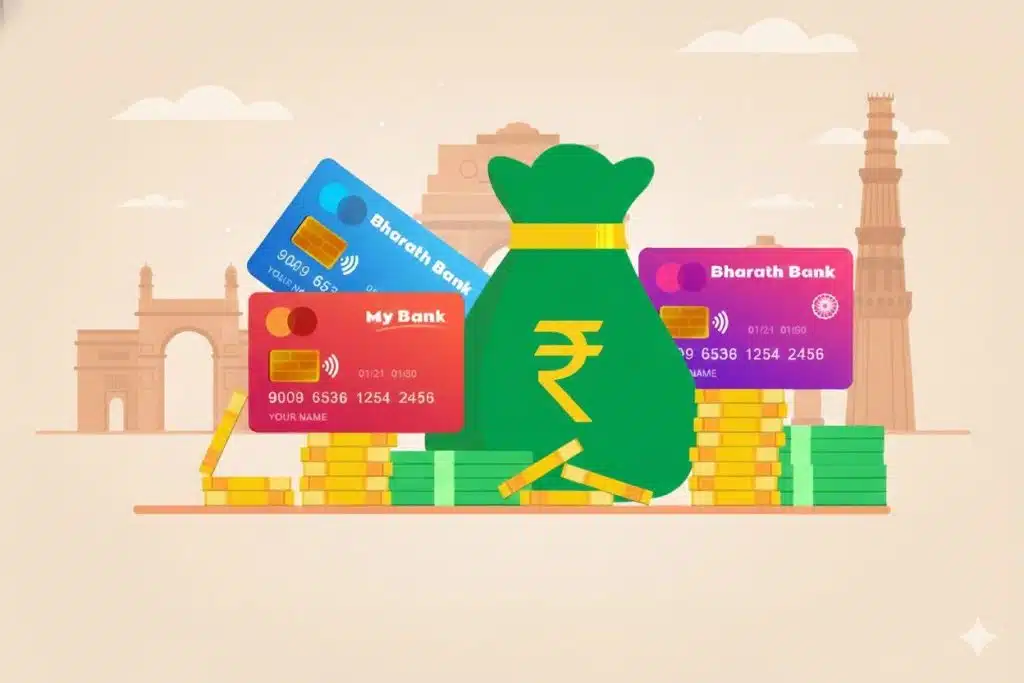
These rewards commonly include:
- Cashback credited to the credit card account
- Cashback transferred directly to a bank account
- Reward points earned on spending
- Airline miles and hotel loyalty points
- Statement credits that reduce outstanding dues
- Vouchers or gift cards
- Merchandise redemptions
- Annual fee waivers
- Referral bonuses
- Promotional incentives
- Employer-linked reward points
From a taxation standpoint, the label used by the bank is irrelevant. What matters is the nature of the benefit. If the reward effectively reduces the cost of a purchase, it is generally treated as a rebate or discount.
If it results in a separate monetary receipt or a personal benefit arising from business or employment, it may resemble income and be subject to tax.
In short, taxability is driven by how the reward functions in economic terms, not by how it is marketed.
Why Credit Card Rewards Are Usually Not Taxable
Most credit card rewards are not taxed because they are treated as a rebate on expenditure, not as income. Tax law applies to income gains arising from a source, but using a credit card to earn rewards does not create a new source of income.
When you earn points, cashback, or statement credits, you are simply paying for something and receiving a benefit that reduces your effective cost, much like a discount. Examples include:
- Reward points earned on purchases
- Cashback applied against bills
- Statement credits reducing dues
In economic terms, these benefits don’t increase your wealth; they just lower what you pay. For personal credit card use, rewards are therefore considered consumption benefits rather than taxable income.
When Credit Card Rewards Are Not Taxable
Certain rewards are generally treated as discounts or consumption benefits, not income. Common examples include:
- Rewards from Personal Spending
Points or cashback earned on household expenses, shopping, travel, or utilities are considered price adjustments. Redeeming them for goods, flights, or vouchers does not change their non-taxable nature. - Instant Cashback and Statement Credits
Cashback that reduces the transaction value or statement credits that lower dues is treated as a discount. No independent income is received, so no tax arises. - Points and Miles Redeemed for Goods or Travel
When redeemed for flights, hotel stays, merchandise, or vouchers, these benefits are consumption-based and non-monetary, making them non-taxable for personal use. - Low-Value Promotional Rewards
Small rewards from card campaigns usually remain outside the tax net, especially if not converted into cash.
For most salaried individuals and retail users, rewards fall under these categories and do not require reporting on income tax returns.
When Credit Card Rewards Can Be Taxable
Taxability arises when rewards resemble income or personal gains linked to business or employment. Key scenarios include:
- Cashback Redeemed as Money
Points converted into cash and credited to a bank account are considered monetary receipts and may be taxable under “Income from Other Sources.” High-value or frequent redemptions increase tax risk. - Business Expenses Generating Personal Benefits
Rewards earned from corporate credit cards but used personally can be treated as business perquisites and added to taxable business income. - Employer-Provided Rewards
Reward points given as part of performance incentives or compensation are taxable as salary perquisites, even if non-monetary, and should be reported in Form 16. - Rewards Received Without Spending
Referral bonuses or high-value promotional rewards received without purchases may be taxable, as they resemble windfall gains rather than discounts.
Tax Treatment of Cashback For Businesses vs Individuals
The tax treatment of cashback differs significantly between businesses and individuals. Have a look at the rules for both businesses and individuals:

For Businesses and Professionals
For businesses and professionals, cashback is usually treated as a reduction in expense, not as income.
For example, if a business spends ₹20,000 and receives ₹2,000 cashback, only ₹18,000 should be claimed as an expense. Claiming the full ₹20,000 while keeping the cashback can lead to disallowance during tax assessment.
However, if rewards or cashback earned from business spending are later used for personal purposes, their value must be treated as a perquisite or added back to income.
For Individuals
For individuals using personal credit cards, cashback earned through regular purchases is generally not taxable, as it functions like a discount that reduces the cost of spending.

However, if cashback is received as direct money credited to a bank account, particularly in large amounts, it may be treated as income under Income from Other Sources.
The key distinction is whether the cashback simply offsets expenses or results in a separate monetary inflow.
Is GST Applicable On Cashback Received On A Credit Card?
GST on credit card cashback is generally not applicable. Cashback is treated as a discount on spending rather than a separate supply of goods or services, so it does not attract GST in routine cases.

However, if rewards are given as independent benefits or perks, GST exposure may arise depending on their structure and valuation. Ensuring proper accounting and treatment helps avoid any potential disputes with tax authorities
Reporting Credit Card Rewards in ITR
For most taxpayers, credit card rewards do not need to be reported because they are non-taxable and function as discounts or benefits on personal spending. Reporting is necessary only when rewards are treated as taxable income.
Taxable scenarios include:
- Monetary Cashback: If cashback is received as money credited to your bank account, it must be reported under Income from Other Sources.
- Business Perquisites: For business owners or professionals, rewards earned from business expenses but used personally should be added to Profits and Gains from Business or Profession.
- Salary-Linked Rewards: Rewards provided by an employer as incentives or performance bonuses are taxable and should be included in Salary Income.
Non-taxable rewards, such as points redeemed for goods, travel, or statement credits, should not be reported. Reporting non-taxable rewards unnecessarily may invite questions from tax authorities.
Related Reads:
Conclusion: Credit Card Rewards Are Not Taxable
Credit card rewards earned from regular spending and redeemed as discounts, goods, or bill adjustments are generally tax-free. For most personal users, these rewards reduce expenses and do not count as taxable income.
Tax issues arise when rewards are converted into cash, linked to business expenses, or received as part of employment benefits. In such cases, they may be treated as income and must be reported under the appropriate head.
Keep a close eye on how you earn and use credit card rewards, especially for business or high-value spending, to avoid unexpected tax issues.
FAQs
Usually no. If points come from spending and are used for travel or shopping, they work like discounts, not income.
Yes. Once rewards turn into actual cash in your bank, taxes can step in.
Yes. Using business-earned rewards for personal use can trigger tax issues.
Only when rewards become taxable income, cash, or clear perks.
For individuals, usually no. For businesses, it depends on structure and use.
They can be, especially when paid in cash or earned without spending.