

Buying a car with a credit card is possible in India, but it rarely works for the full amount. Most dealerships restrict card usage to small payments.
Dealers usually allow credit cards only for booking fees or partial amounts. High processing charges and card limits stop full on-road payments.
The idea sounds simple. One swipe, quick EMI, reward points. Real costs, interest rates, and credit scores impact the outcome.
This article explains how credit card car payments actually work in India, where they fit, and where other options make more sense.
Buying A Car With A Credit Card: Key Takeaways
- Using a credit card to buy a car in India is possible, but mostly only for booking fees or small partial payments; full payments are rarely accepted.
- High processing fees, GST, and TCS make large card payments costly for dealers, which is why limits exist.
- Credit card EMIs are not a substitute for car loans, as they have higher interest rates, shorter tenures, and extra charges.
- Rewards on car purchases are often limited or excluded, and any points earned are reduced by fees and interest.
- Credit cards are best for small payments, while car loans, NEFT, RTGS, or UPI are cheaper and more reliable for the main amount.
Do Car Dealers In India Accept Credit Cards?
Credit card acceptance for car purchases in India depends largely on whether the vehicle is new or used, and on how the individual dealer manages costs and risk.
Let us take a look at how the acceptance of credit cards looks across various dealer options available.
New Car Dealerships
Authorised new car dealers usually accept credit cards only for a limited part of the purchase. These include booking amounts, accessories, insurance add-ons, extended warranties, or a small share of the down payment.
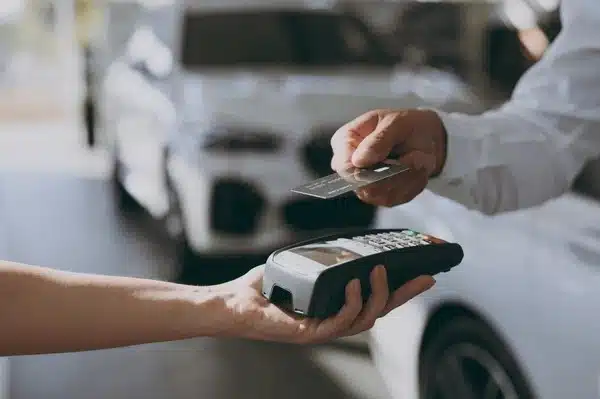
Keeping card transactions small helps dealers avoid pressure on their margins. Paying the full on-road price by credit card rarely works.
Large card swipes bring high merchant fees, slower settlement, and extra compliance work. Even when the system allows it, sales teams steer buyers toward bank transfers or car loans for the main payment.
Used Car Dealers
Used car dealers, especially independent sellers and organised used car chains, show more flexibility with credit card payments. Lower vehicle prices make card transactions easier for them to manage.
That flexibility still has limits. Processing fees apply, reward eligibility may drop, and card acceptance depends on the dealer’s setup and policies.
Brand, Showroom, and City-level Differences
There is no uniform rule across India for credit card payments on cars. Acceptance depends on the brand, dealership, city, and even the specific showroom manager.
Premium brand dealers in metro cities sometimes allow higher card payments due to different margins and buyer profiles. Mass-market dealers usually run tighter cost controls, which keep card usage limited.
Online and Platform-Based Purchases
Online car buying platforms usually allow credit cards only for token amounts or booking fees. Higher payments face caps or extra charges, while the final amount moves through NEFT, RTGS, or loan disbursals.

Overall, credit card use for car purchases depends less on technology and more on dealer economics. Discussing payment modes early helps avoid confusion at the final stage.
Things You Should Know While Buying A Car With A Credit Card
Credit cards can be used in car purchases in India, but only in narrow, dealer-controlled ways. Knowing these limits early prevents cost surprises.
1. Credit Cards Cover Only Small Parts of the Car Price
When buying a car with a credit card, expect acceptance only for limited components. Dealers usually allow cards for booking amounts, accessories, insurance add-ons, extended warranties, or a small part of the down payment.

Typical booking payments range from ₹5,000 to ₹50,000. In select cases, partial payments between ₹1 lakh and ₹3 lakh may be approved, depending on the dealer, car price, and your card limit. Full on-road payments by card remain uncommon.
2. Dealer Costs Decide Card Acceptance
The main reason credit cards are restricted is cost. Every card transaction attracts a merchant discount rate of 1% to 3 percent plus GST. Dealer margins often sit in the same range.
For cars priced above ₹10 lakh, an extra 1 percent TCS applies under Section 206C. This makes credit card payments more expensive than bank transfers. As car prices rise, the portion dealers allow on cards usually shrinks.
3. Credit Card EMI Is Not a Car Loan Substitute
Some dealers allow approved card payments to convert into EMIs. This applies only to the card-eligible portion, not the full vehicle value.
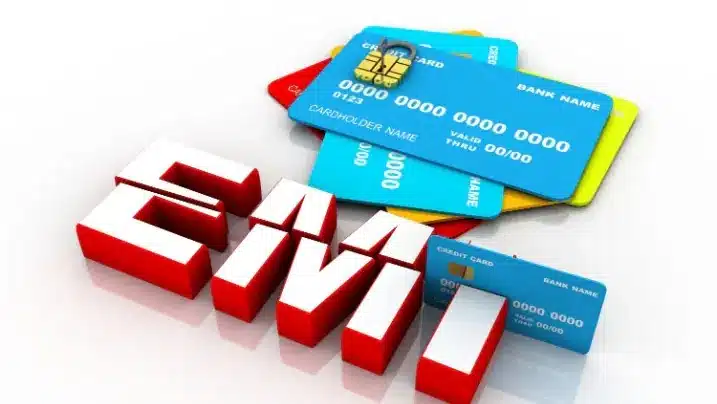
Credit card EMIs carry higher interest, often 18 percent to over 30 percent annually, with short tenures of 6 to 24 months. Processing fees and GST raise costs further. Compared to car loans, this structure makes EMIs on cards costly for vehicle purchases.
4. Rewards on Car Purchases Are Limited
Using a credit card to buy a car does not guarantee high rewards. Many Indian cards cap rewards on large spends or exclude automobile dealers based on merchant category codes.
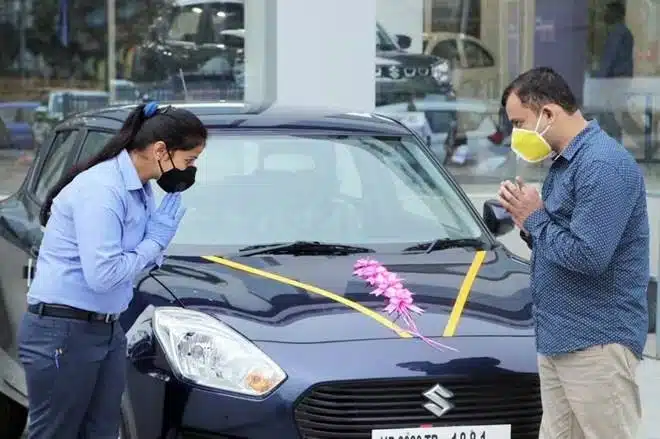
Even when rewards apply, the actual value stays low after fees, taxes, and possible interest exposure. The reward rate advertised on the card rarely matches the benefit realised in a car transaction.
5. Large Card Swipes Affect Your Credit Profile
Buying a car with a credit card pushes credit utilisation higher immediately. If converted into EMI, utilisation stays elevated throughout the tenure.
Higher utilisation can lower credit scores and reduce flexibility for future borrowing. Any delay in repayment on such a large amount has a stronger negative impact than routine card usage.
6. Compliance and Reporting Still Apply
Large credit card transactions remain fully traceable. Banks may flag high-value payments under financial reporting norms.
This does not create tax liability by itself, but it increases scrutiny. Clear documentation and disciplined repayment matter more when routing large sums through cards.
Alternative Ways To Pay For A Car In India
Since credit cards won’t work, consider these alternatives, which are safer and more transparent than credit cards.
1. Car loans
Car loans are the most cost-effective financing option. They offer lower interest rates than credit card EMIs, longer repayment tenures, and do not consume credit card limits. A car loan also improves credit mix, supporting long-term credit health.
2. NEFT Transfers:
NEFT is widely used for large car payments. It provides a clear transaction trail, involves no processing fees, and is preferred by dealers for its reliability and ease of reconciliation.
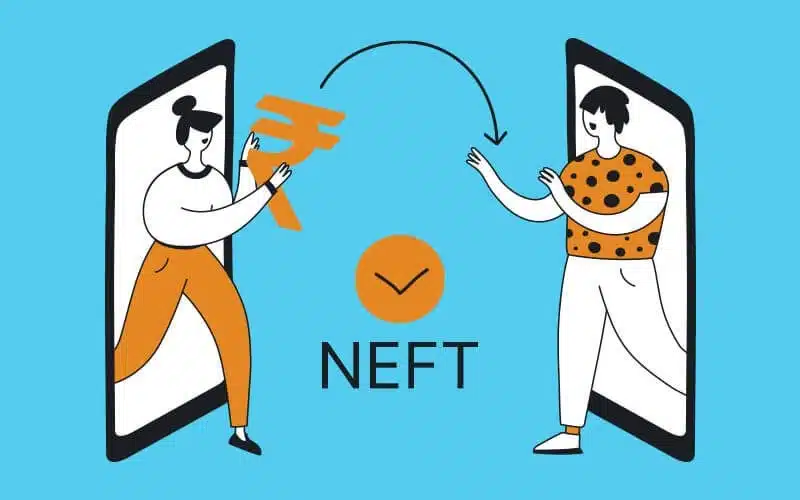
NEFT transfers offer a secure, traceable way to pay large car amounts, with no merchant fees, faster settlement, and simple accounting for dealers.
3. RTGS Transfers
RTGS is commonly used for high-value, same-day settlements. It is ideal for final payments on vehicles, offering immediate confirmation and strong documentation.
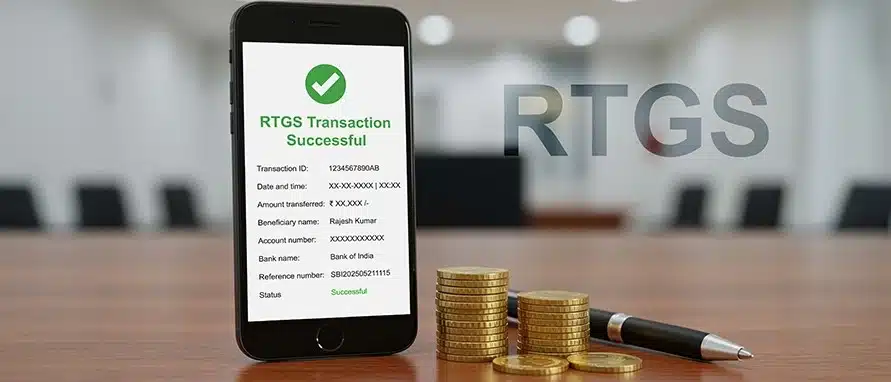
RTGS suits large, same-day car payments by providing instant settlement, clear confirmation, and strong documentation for both buyers and dealers.
4. UPI payments
UPI is typically used for booking amounts and smaller components. While convenient and fast, most dealers impose caps, making it unsuitable for full vehicle payments.

UPI works well for booking fees and small payments. Dealer-imposed caps and daily limits prevent its use for full car purchases.
5. Demand drafts:
Demand drafts are still accepted by some dealerships, especially for final settlement amounts. They offer certainty of funds and are often used when buyers prefer an offline, bank-backed payment method.
Related Reads:
Conclusion: You Can Buy A Car With A Credit Card
Buying a car with a credit card in India is possible, but it rarely works for paying the full amount. Dealer rules, bank limits, and card-related costs restrict its practical use.
Processing fees, high interest rates, reward exclusions, and the impact on credit scores reduce the overall appeal of using a card for large payments.
Credit cards suit booking amounts or limited partial payments. For the main vehicle cost, car loans and bank transfers remain cheaper, safer, and more predictable. The decision should be driven by numbers, not convenience or reward hype.
FAQs
In most cases, no. Dealers usually restrict credit card usage to booking amounts or small partial payments, not the full on-road price.
Yes. Dealers commonly pass on processing fees, typically along with GST, to the buyer.
No. Credit card EMIs usually carry higher interest rates and shorter tenures than car loans, making them more expensive overall.
Often limited or excluded. Many cards restrict or cap rewards on automobile purchases.
Yes. Large transactions increase credit utilisation, which can temporarily lower your score.