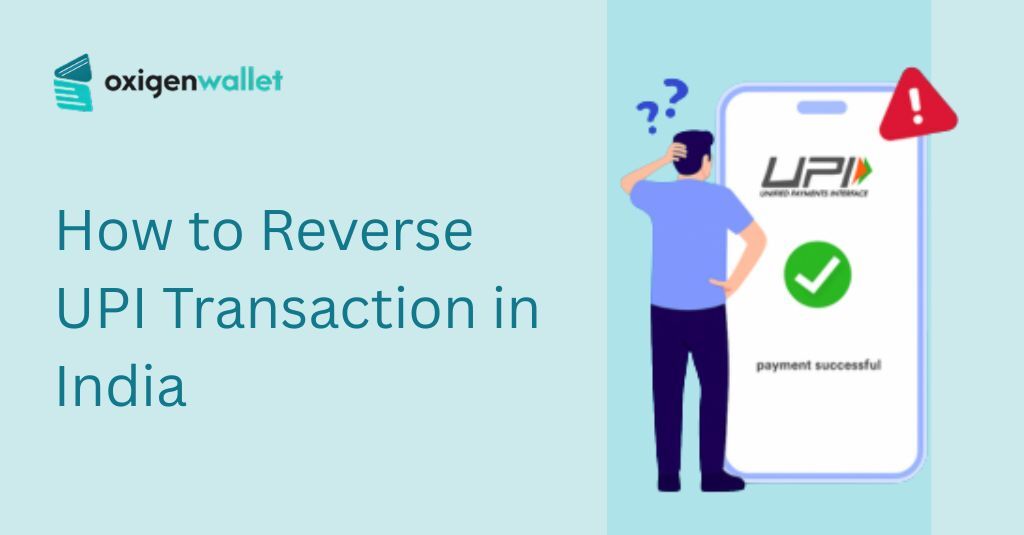


UPI transactions cannot be automatically reversed once successful. But don’t panic, you still have options. The next 24-48 hours are critical. Your chances of recovery depend on how quickly you act and whether the recipient cooperates.
Complete reversals are impossible only when the receiver has already withdrawn or spent your money.
This article walks you through every practical step: from raising complaints within your app to escalating through NPCI and RBI. You’ll learn exactly what works, what doesn’t, and how to protect yourself going forward.
Is It Possible To Reverse A UPI Transaction?
NPCI rules are clear: successful UPI payments do not have an automatic reversal mechanism. Failed transactions are refunded within 3-5 business days automatically. Pending payments typically auto-reverse in 24 hours if not settled.
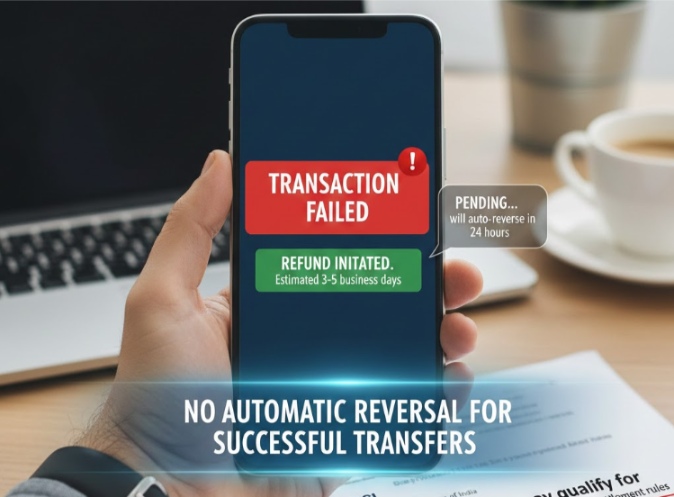
Successful transfers require the receiver’s consent to return funds. Technical failures, like double debits, may qualify for ₹100/day compensation under NPCI’s T+1 settlement rules, but these are exceptions, not standard reversals.
What to Do Immediately After a Wrong UPI Transaction (Golden Hour)
Speed matters more than anything else. The first hour after a wrong transfer is your best window for recovery. Here is what to do:
- Note your 12-digit UTR (Unique Transaction Reference) number immediately.
- Screenshot the transaction confirmation showing the amount, date, and receiver.
- Contact the receiver directly if known; request immediate UPI return.
- File a dispute directly in your UPI app by selecting “Report Problem” or “Raise Complaint.”
Don’t wait for business hours or assume the problem will fix itself. Banks and payment platforms track complaint response times, and early action strengthens your case if you need to escalate later.
Step-by-Step UPI Transaction Reversal Process
Each escalation level has specific timelines and authority limits. Start at Step 1 and proceed only if the previous step does not resolve your issue within the stated timeframe.
Step 1: Open your UPI app, locate the wrong transaction, tap “Report Issue” or “Dispute,” and save the complaint reference number generated.
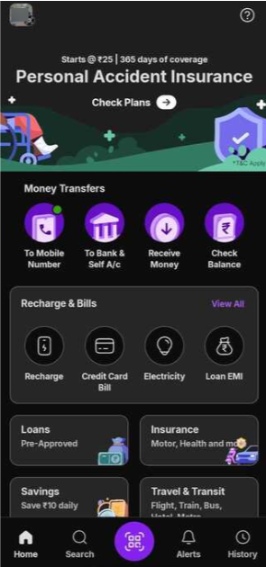
Step 2: Call your bank’s customer care immediately, share your UTR and app complaint ID, then request written email confirmation of your grievance.
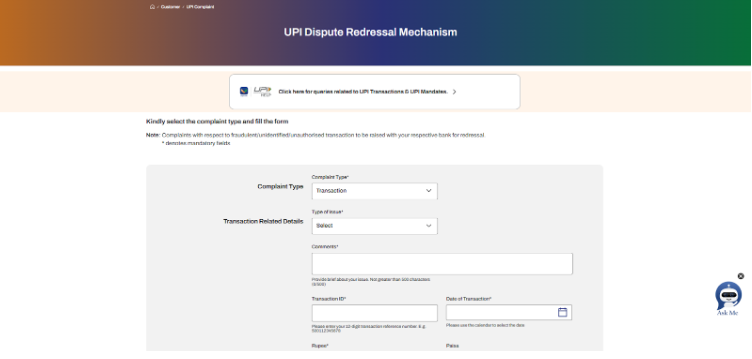
Step 3: If unresolved in 7 days, visit npci.org.in to file a formal complaint using your UTR, then call 1800-120-1740 for tracking.
Step 4: After 30 days without resolution, escalate to the RBI Ombudsman portal under the Integrated Ombudsman Scheme 2021 with all documentation attached.
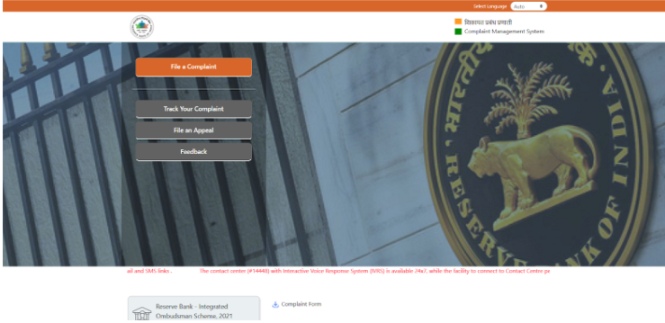
Most cases resolve at Step 1 or 2 within 7-10 working days. Step 3 becomes necessary when banks don’t respond, while Step 4 handles unresolved disputes after 30 days of the initial complaint.
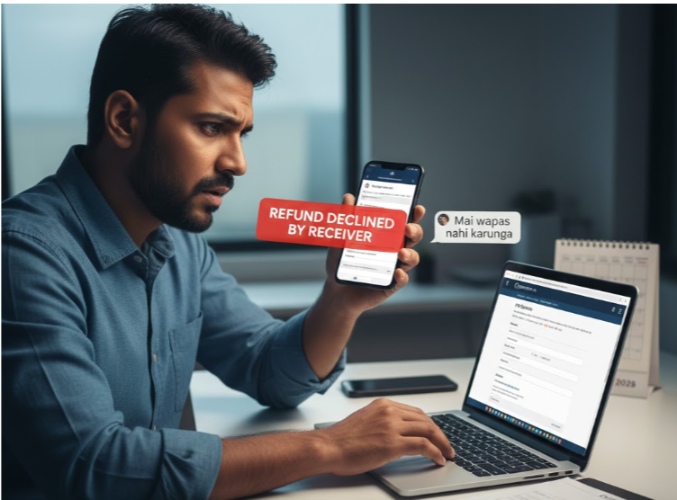
What If the Receiver Refuses To Return the Money?
Your bank can send a formal refund request to the recipient’s bank, but cannot force compliance. NPCI escalations work only when receivers acknowledge wrongful receipt; they have no authority to debit accounts without consent.
Daily UPI limits generally remain ₹1 lakh per account, which caps your maximum exposure in most wrong-transfer scenarios.
For confirmed fraud cases, like phishing scams or account takeovers, file an FIR with your local cybercrime cell (cybercrime.gov.in) and provide the police complaint number to your bank.
This creates a legal record that strengthens your case and may enable insurance claims or criminal proceedings.
How to Prevent Wrong UPI Transfers In The Future
Prevention costs nothing but saves enormous stress. These habits take seconds but eliminate 90% of common UPI mistakes that lead to loss and lengthy recovery battles.
- Send ₹1 test payment first, especially for new receivers.
- Always verify that the displayed name matches the intended recipient before confirming.
- Never scan QR codes from unverified sources or messages.
- Disable screen-sharing apps during UPI transactions completely.
Building these checks into your routine reduces fraud risk and accidental transfers. Test payments seem excessive until you’ve sent ₹50,000 to the wrong number, then they feel like the smartest habit you could’ve developed.
Related Read:
Conclusion: UPI Transactions In India Cannot Be Reversed
UPI’s instant nature means permanent transfers once successful. Your recovery path depends on recipient cooperation, not system reversals.
Act within 48 hours: note your UTR, take screenshots of everything, file app complaints, and escalate through the bank → NPCI → RBI Ombudsman as needed.
Prevention beats cure: verify names, test small amounts, and never rush confirmations. If you’ve sent money incorrectly, then register the complaint quickly.
FAQs
Successful UPI transactions cannot be reversed automatically. Recovery requires recipient consent, bank mediation, or NPCI escalation if wrongfully received or fraudulent.
*99# enables UPI transactions on basic phones without internet by dialing USSD codes that connect directly through your mobile network operator.
Yes, if the receiver cooperates or your bank intervenes successfully. File complaints immediately with the UTR number through the app, bank, and NPCI.
Failed transactions auto-reverse in 3-5 days. Wrong transfers require 7-30 days, depending on the recipient’s response and escalation levels through banks.
Banks cannot reverse successful payments unilaterally. File a cybercrime FIR, provide the complaint number to the bank, and escalate through the RBI Ombudsman for fraud cases.