

Property owners in India can pay their property taxes using a credit card, making the process faster and more convenient.
Property tax is an annual fee usually paid by cash, cheque, or bank transfer, but online payments now let you use a credit card.
In this article, we’ll look at whether you can pay property taxes using a credit card in India, how it works in practice, and what you should know before doing so.
Can Property Tax Be Paid Using A Credit Card In India
Yes, credit cards can be used to pay property taxes in India. Many municipal websites and digital payment platforms now allow residents to pay property taxes online using credit cards.
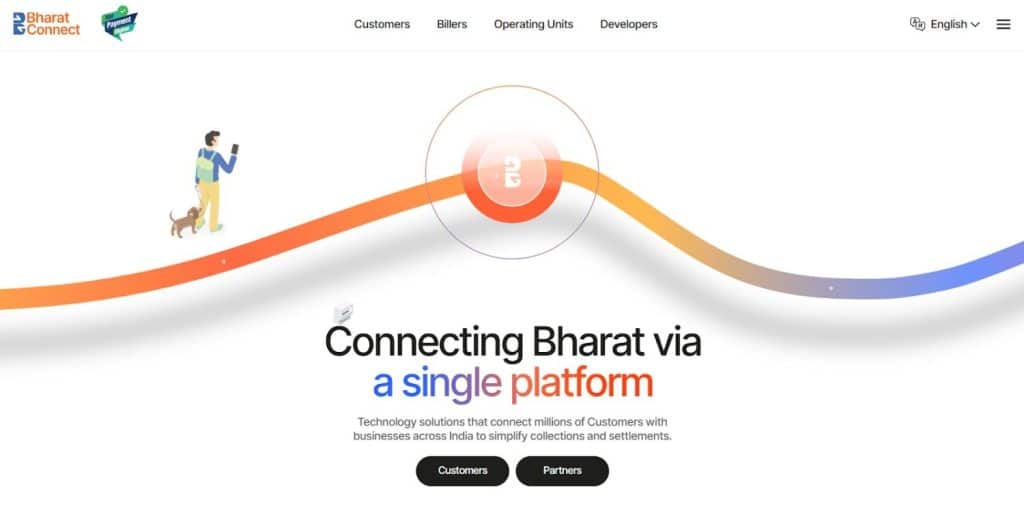
Cities like Pune, Bengaluru, and Hyderabad support this through official websites or apps such as BBPS and Paytm, making the transaction quick and easy.
Using a credit card makes it easier to manage payments even when cash is scarce, albeit a modest convenience fee of 1-2% may apply.
While rewards or cashbacks are frequently restricted for government payments, the main advantage is speed, safety, and avoiding large lines.
Step-by-Step Process To Pay Property Tax With A Credit Card
Before you begin to pay the tax, have your Property ID (PID) or a previous property tax bill ready. The system uses this to retrieve your tax details.
Follow the below Step-by-Step Process To Pay Property With A Credit Card:
Step 1: Visit Official Municipal Portal or BBPS/third‑party Platform
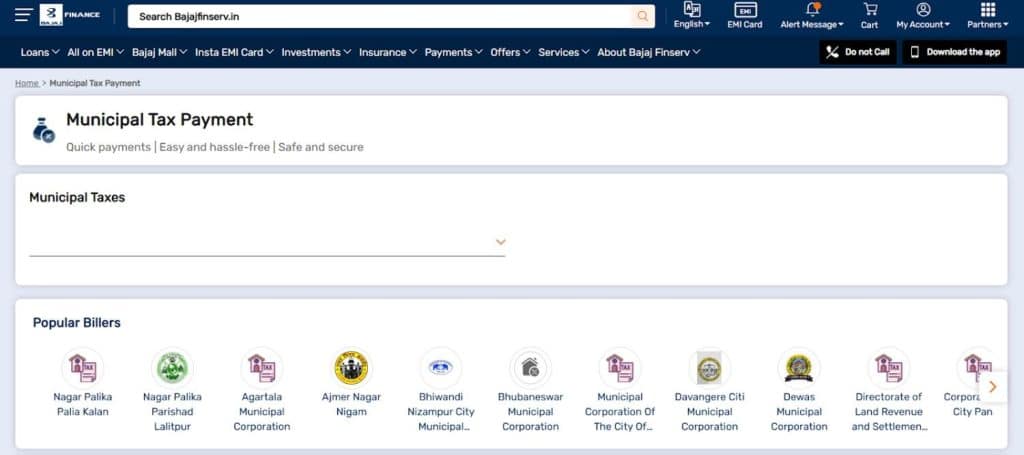
Open your local municipal corporation’s website or use a reliable payment app like BBPS or Paytm, which are designed to handle property tax payments, including credit cards.
Step 2: Enter Property ID / PID / Application Number
On the payment page, enter your Property ID (PID), a unique code that links your house to your tax records, which helps the system recognize the exact property tax you are paying.
Step 3: Fetch Tax Amount Due
After entering your details, the site will show your property tax due. Verify the amount, including any rebates or past adjustments, before paying.
Step 4: Select Credit Card As A Payment Method
When payment options appear, choose credit card to pay using your card instead of net banking or UPI.
Step 5: Complete Payment via Payment Gateway
On the secure page, enter your credit card number, expiry date, and CVV, then confirm. Your payment is processed just like any online purchase.
Step 6: Save/download Receipt For Your Records
After payment, download or screenshot the receipt. This serves as proof of your property tax payment for future records.
Using BBPS and Third-Party Platforms For Property Tax Payment With A Credit Card
When it comes to paying property tax in India with a credit card, you are not limited to your city’s official municipal portal.
Many consumers choose to use BBPS (Bharat Bill Payment System) or other popular payment platforms because they consolidate all payments in one place and often simplify the procedure.
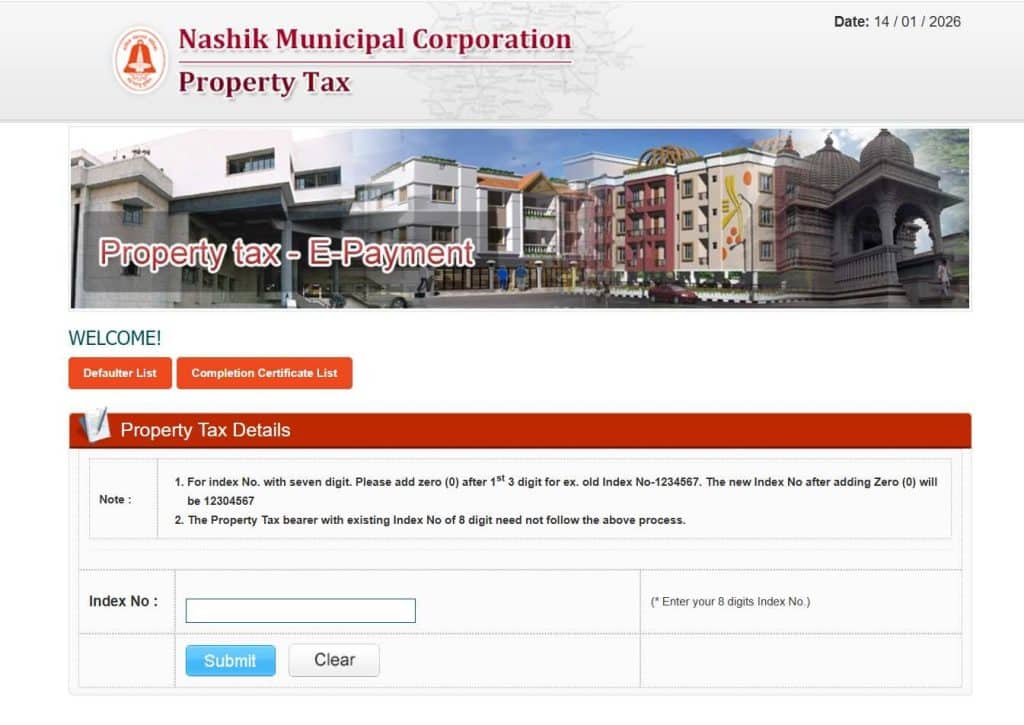
These platforms can rapidly display your property tax bill and allow you to pay using a credit card without having to navigate confusing menus.
Below is a simple table to help you compare the main choices available in 2025:
| Platform | Credit Card Accepted | Convenience Fee | Ease |
|---|---|---|---|
| BBPS (via Bajaj Finserv etc.) | Yes | Up to 2% | High |
| Paytm municipal payments | Yes | Varies | High |
| Official Municipal Portals | Yes | Variable | Medium |
| UPI Apps (GPay/PhonePe) | Not always directly | N/A | High |
Pros and Cons of Paying Property Tax With A Credit Card
Paying property tax with a credit card has clear advantages, but it also comes with some important disadvantages to consider.
Pros of Paying Property Tax With A Credit Card
- Convenient and contactless, making property tax payments fast and simple.
- Helpful when funds are low, offering flexible payment options anytime.
- Can be paid online 24×7, no need to visit offices.
- BBPS supports card payments across many cities for convenience.
Cons of Paying Property Tax With A Credit Card
- It may include convenience fees, slightly increasing the total amount paid.
- Rewards often not earned on government tax payments with cards.
- Some portals don’t list credit cards as available options.
- Card integration varies across cities, causing inconsistent payment experiences.
Things To Keep In Mind Before Paying Property Tax With A Credit Card
Before paying property tax with a credit card, it helps to be aware of a few practical details. These small checks can prevent confusion, extra charges, or follow-ups later.
- Check if credit cards are accepted: Before you begin, double-check that your municipal portal or platform accepts credit cards.
- Know the convenience fee and GST: Most gateways charge 1-2%, which is added to your final cost.
- Keep Property ID ready: Keep your PID and property information accessible so you can easily retrieve the precise tax amount.
- Save your receipt: Download or screenshot the confirmation right away as proof of payment.
Related Reads:
Conclusion: Yes, You Can Pay Property Tax Using A Credit Card In India
Many municipal portals and digital payment platforms now support this option, making property tax payments faster and more convenient.
Using a credit card can also help manage short-term cash flow, especially when large property tax amounts are due at once. Online payments create instant receipts and digital records, reducing paperwork and making future reference easier.
While a small convenience fee may apply and rewards aren’t always available, a credit card can still be a valuable and flexible payment method—provided your city allows it.
FAQs
Yes. If your municipal web or payment platform accepts credit cards, the payment is entirely valid.
Usually, no. Many banks exclude government and municipal payments from reward programs due to their category code.
Yes. Most platforms charge a convenience fee, often between 1-2%, which is displayed before purchase.
The money is normally repaid instantly within a few working days, depending on the bank and gateway.
Not always. UPI apps mostly enable UPI or debit payment methods; credit card compatibility varies by city and platform.