

Credit cards are only available to individuals who have reached the legal age of adulthood in India at the age of 18.
Some banks prefer individuals aged 21 or above, due to their steady income. This gives banks confidence that the cardholder can make on-time repayments.
In this article, we will go over the age restrictions, eligibility criteria, and step-by-step process for obtaining a credit card in India, and more
Credit Card Age In India: Key Takeaways
- The legal minimum age for a credit card in India is 18 years.
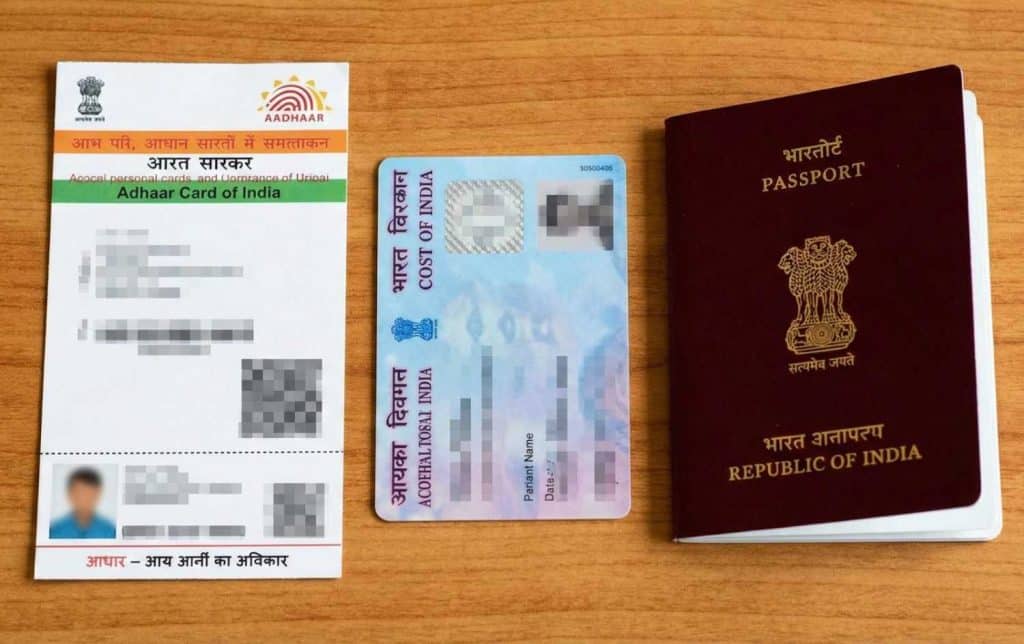
- Aadhar Card, PAN Card, and Passport are some of the documents required when applying for a credit card.
- A credit score of 700 or above improves your chances of credit card approval.
- The maximum age limit for a credit card usually ranges from 60 to 65 years.
- One can apply for a credit card either through a bank’s online portal or by visiting a bank branch.
RBI Guidelines On Credit Card Age Limit
While the RBI does not impose a minimum age for credit card issuance, it encourages several banks to lend responsibly and ensure that applicants can afford repayments.
For example, the ICICI Bank has a legal minimum age of 21 years.
| Category | Age Requirement |
|---|---|
| Legal minimum age | 21 years |
| Maximum age limit | 60–65 years |
Source: ICICI Bank
Other banks, such as SBI, HDFC, and IDFC, also impose similar rules on credit card eligibility. You can get more information by visiting their websites.
Documents Required For Credit Card Application
Banks require evidence of your identity and ability to repay it before you apply for a credit card.
It is necessary to provide a few essential documents that verify your identity, age, previous address, and income status.

The following points provide an overview of the documents required by major banks in India for a credit card application:
- Identity Proof: To prove you are an Indian citizen, you need to provide an Aadhar Card, PAN Card, Passport, or Voter ID. Anyone is sufficient.
- Age Proof: To show you are above 18, you need to provide a Birth Certificate or 10th Std Certificate.
- Address Proof: You need to provide any one of Aadhaar Card, Passport, Voter ID, Ration Card, or Bank Statement (last 2-3 months).
- Income Proof: If you are a salaried employee, then you need to provide salary slips (last 2-3 months) or Income Tax Returns (ITR).
- Other Proof: A passport-size photo. In case you have no PAN Card, then Form 16.
Note: The documents required to apply for a credit card may vary depending on the bank. So make sure you confirm all the documentation details beforehand.
Credit Score Requirements For Credit Cards
When applying for a credit card in India, banks want to ensure that you can make responsible repayments. That is why they check your credit score.
Your credit score reveals how successfully you have managed credit in the past. A credit score of 700 and above is considered to be ideal.
Some banks are more liberal with first-time applicants, but salaried and self-employed individuals must achieve specific minimum benchmarks.
Step-by-Step Guide On How To Apply For A Credit Card
In India, it can be overwhelming to apply for a credit card in one day, but simplifying the process makes it less complicated.
To increase your probability of being accepted, follow these guidelines to ensure a smooth completion of the procedure.
Step 1: Choose A Suitable Credit Card
Start with a credit card that suits your lifestyle and budget. Give attention to incentives, costs, and fees.
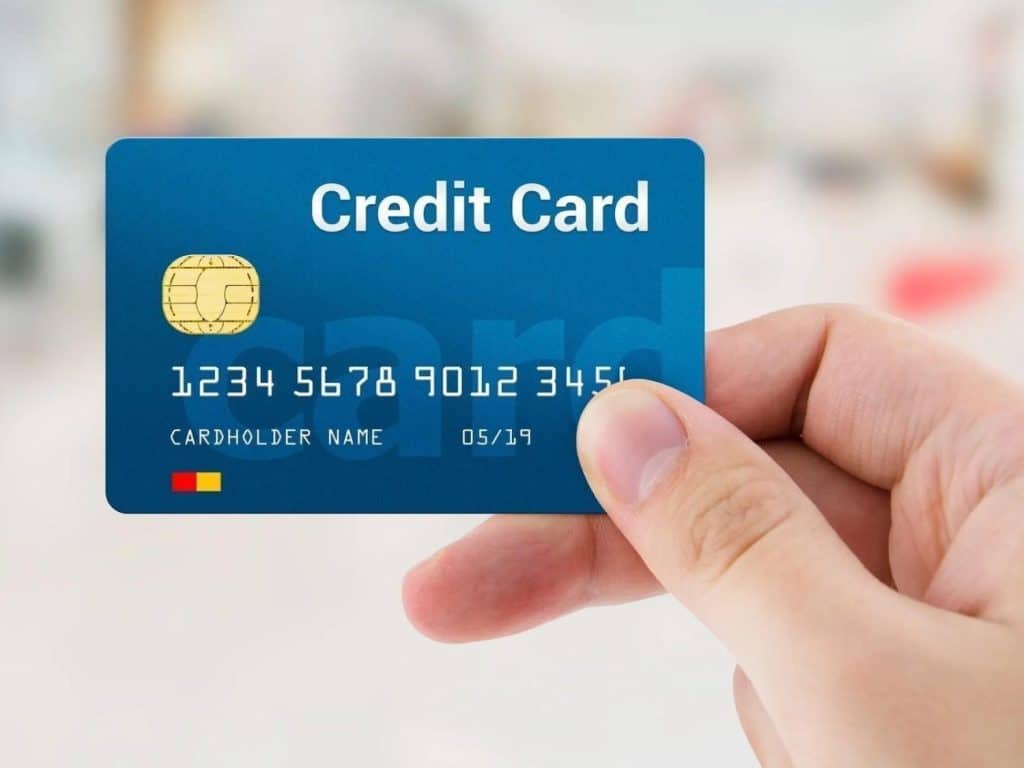
The bank has a selection of cards for beginners, students, and those who spend more than they earn.
Step 2: Check Age and Income Eligibility
Check the bank’s eligibility criteria, such as minimum age and income, before applying.
A regular unsecured credit card application requires applicants to be at least 18-21 years old and earn an acceptable income, as most banks require.
Step 3: Gather Required Documents
Obtain all necessary papers, such as name, address, age, and earnings. The availability of these facilitates the verification process and prevents any unnecessary delays.
Step 4: Apply Online or At Bank Branch
You can apply online or at one of the bank’s branches. Online applications are speedier, and in-branch applications allow you to clarify questions with bank employees.

Step 5: Complete Verification Process
After you submit your application, the bank will review your documentation and credit history.
Some banks may also contact to confirm information before authorizing the card.
Step 6: Approval and Card Dispatch
When your application is granted, the bank will send your credit card to your registered address.
You can begin using it after activating it using the bank’s app, website, or customer service.
Maximum Age Limit For Credit Cards In India
The maximum age limit for a credit card in India typically ranges from 60 to 65 years.

It is entirely up to banks to set the age limit. However, SBI Bank has increased this limit to 70 years of age.
Source: SBI
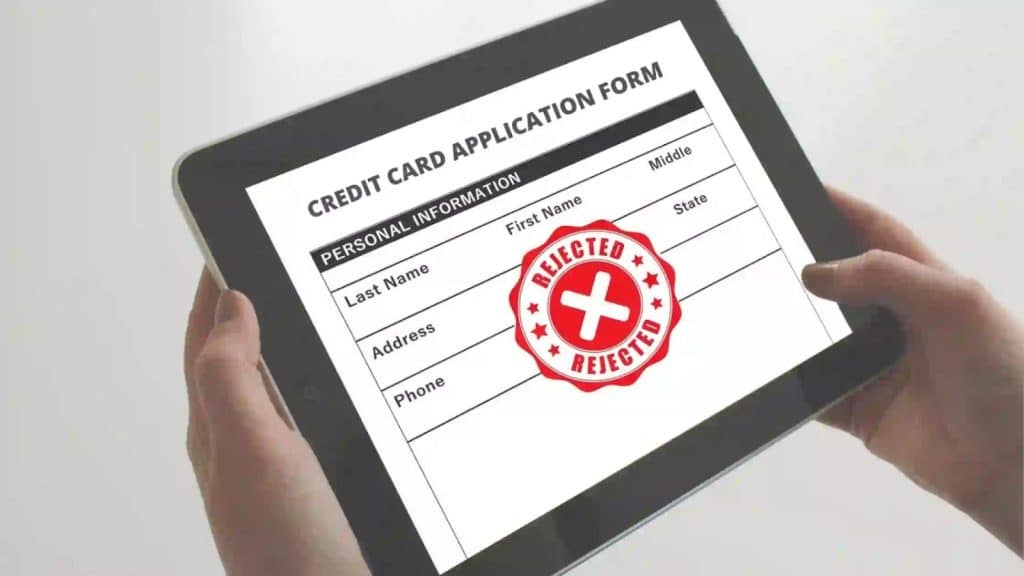
Reasons Why Your Credit Card Application Gets Rejected
There may be several reasons your credit card application may be rejected. Some of them are:
- The required documents are not available.
- The applicant’s credit score is below the required range.
- One might be 18 years old when applying for a credit card, but if the bank approves the application only for salaried people or those over 21, the application may be rejected.
Suggested Reads:
Conclusion: You Can Get A Credit Card At 18
In India, you can apply for a credit card as early as the legal age of adulthood, which is 18.
While some banks prefer applicants to be 21 or older, young people can still obtain student or secured credit cards with low-income or set deposits.
Having correct paperwork, a consistent income, and a strong credit history increases your chances of approval.
Most importantly, using a credit card responsibly by making timely payments and controlling spending helps you build a strong credit history, which will be helpful when applying for loans or higher-limit cards.
FAQs
Certain banks provide student or secured credit cards to young adults who do not have a full-time job, typically with remittances for unsecured loans.
The average monthly payment from banks is 15,000-25,000 for salaried individuals.
Banks accept add-on cards for children between 13 and 18 who are linked to a parent’s or guardian’s primary credit card.
Most banks have a maximum age for renewals for salaried applicants, which falls between 60 and 65 years.
The probability of approval is higher if the credit score is 700 or greater. Those with an existing credit record may be granted a card for the first time or as a student.